Compassionate Allowance Disability Louisiana: Fast-Track Your Benefits
If you or a loved one has been diagnosed with a severe or life-threatening medical condition, waiting months or even years for social security disability benefits can feel impossible. The good news is that certain diagnoses may qualify for much faster processing through the Social Security Administration's Compassionate Allowances program - and Louisiana residents have access to this federal initiative just like everyone else in the country. Below, we explain who qualifies, how the process works in Louisiana, and how working with a local disability lawyer can protect your rights and your backpay from day one.
Key Takeaways
-
The Social Security Administration SSA created the compassionate allowances program to fast-track disability claims for people with the most serious disabilities. The program allows for decisions in a matter of weeks instead of months or years when medical evidence is complete and the diagnosis matches a condition on the official list.
-
There is no separate "compassionate allowance application" - you file a normal social security disability claim, and SSA flags qualifying conditions for expedited processing using cutting edge technology built into their screening systems.
-
Even with compassionate allowances, strong medical evidence and organized detailed medical records are critical to quick approval. Missing pathology reports, imaging studies, or hospital records can slow your case down significantly.
-
Coenen Law Firm in Monroe, Louisiana helps clients across north and central Louisiana prepare and file these cases. Ted Coenen has over 20 years of experience handling social security disability insurance and SSI claims. Call (318) 322-7004 or message us online for a free consultation.
-
This article covers who qualifies, how the process works in Louisiana, what medical records you need, and how a local disability lawyer can help protect your benefits.

What Is the Compassionate Allowances Program?
The Compassionate Allowances (CAL) program is a Social Security Administration initiative designed to quickly identify and approve disability benefits for people with severe medical conditions. It applies to both social security disability insurance (SSDI) and supplemental security income (SSI) claims. The program's purpose is simple: when a diagnosis is so serious that it clearly meets SSA's disability standards once confirmed by medical evidence, there is no reason to make someone wait the standard processing timeline.
How serious is the standard wait? The SSDI application process can take six months to two years when you factor in initial review, possible denials, and appeals. Standard initial decisions in Louisiana often take three to five months even when documentation is adequate. Compassionate allowances can reduce waiting time for disability determinations dramatically - many CAL cases are decided in weeks when records are complete, rather than the many months a typical claim requires.
Compassionate allowances expedite SSDI and SSI claims processing, but they do not change the legal requirements for disability. The SSA identifies conditions that meet disability standards and flags those cases for priority review. Your claim is still reviewed by Louisiana's Disability Determination Services (DDS), not rubber-stamped. You still need a confirmed diagnosis, proof of severity, and evidence that the condition is expected to last at least 12 months or result in death. CAL simply ensures your case reaches the front of the line.
Since the program began, more than one million people with severe disabilities have been approved through this accelerated process nationwide.
Conditions on the Compassionate Allowances List
The compassionate allowances list is SSA's official roster of diagnoses that qualify for expedited processing once properly documented. As of 2026, there are 300 conditions on the compassionate allowances list, covering some of the most devastating diseases and disorders known to medicine. The list includes over 250 conditions that have qualified for expedited processing since the mid-2020s, and SSA continues to add new ones.
The program includes certain cancers and adult brain disorders, along with rare disorders affecting both adults and children. Here are some concrete examples of CAL conditions:
-
Aggressive cancers: Pancreatic cancer, inflammatory breast cancer, small cell lung cancer, acute leukemia, and other advanced or metastatic cancers
-
Adult brain disorders: Amyotrophic lateral sclerosis (ALS), early onset Alzheimer's disease, and certain primary brain tumors
-
Rare childhood disorders: Batten disease, Dravet Syndrome, Aicardi-Goutières Syndrome, and other genetic diseases
-
Other severe conditions: Certain immune-system disorders, progressive neurological diseases, and other medical conditions with well-documented severity
One important note for applicants: ALS is the only condition that waives the five-month waiting period for SSDI benefit payments. For all other CAL conditions, the five-month statutory waiting period still applies after your disability onset date, even though the decision itself comes faster.
The SSA updates the compassionate allowances list regularly based on input from the national institutes of health, medical experts, and public comments. In August 2024 alone, SSA added nine new conditions and revised two existing ones. If you have been diagnosed with a condition you believe may be on the list, it is worth confirming with a disability lawyer or checking SSA's published list.
Having a condition on the list does not guarantee approval. You must still provide detailed medical records proving the applicant's disease, its severity, and its expected duration. But being on the list means SSA will prioritize your case and may require less extensive development of evidence before issuing a decision.

How Compassionate Allowances Work in the Louisiana Disability Process
Louisiana residents follow the same federal guidelines for compassionate allowances as applicants in every other state. All disability claims in Louisiana are processed through the SSA and the state-level Disability Determination Services(DDS), which is administered by the Louisiana Department of Health. Here is how the process typically flows for a CAL case:
-
You file a claim with Social Security - online, by phone, or at a local SSA office such as the Monroe field office at 1120 Plaza Blvd, Monroe, LA 71201, or offices in Shreveport, Alexandria, or Ruston.
-
SSA screens your application for potential compassionate allowances conditions. The SSA uses technology to identify qualifying medical conditions through regular applications - there is no separate form to fill out. Predictive models and automated systems scan your application details and diagnostic terminology for quickly identifying diseases on the CAL list.
-
Your claim is sent to Louisiana DDS. The SSA reviews applications and forwards them to a state agency - in this case, Louisiana DDS offices in Baton Rouge, Shreveport, or elsewhere. DDS gathers your medical records, contacts your treating providers, and may request additional information if records are incomplete.
-
DDS reviews the medical evidence. If your diagnosis matches a CAL condition and the evidence confirms severity and duration, the case is decided much faster than standard claims. Applications for compassionate allowances are flagged for expedited review, and the examiner prioritizes them accordingly.
-
A decision is issued. If approved, you begin receiving disability payments according to SSA's standard rules, including any applicable waiting period and retroactive benefits.
There is no separate "Louisiana compassionate allowance" form or application process. The process is the same federal one used everywhere. However, local factors can still affect speed. Backlogs at Louisiana DDS, slow responses from hospitals in Monroe, Shreveport, or Alexandria, and delays in obtaining pathology or imaging reports from rural providers can all add time even to a flagged CAL case. This is one reason working with a local attorney who knows these providers and processes can make a real difference.
Applying for Social Security Disability with a Compassionate Allowance Condition
People with a CAL condition still must file a standard social security disability application for SSDI, SSI, or both. You can start your SSDI application immediately after diagnosis - there is no requirement to wait a specific period before filing.
Here are the main ways to apply:
-
Online through your "my Social Security" account at ssa.gov
-
By phone by calling SSA at 1-800-772-1213
-
In person at a local Social Security office in Louisiana (Monroe, Alexandria, Shreveport, Ruston, and others) by appointment
There is no box labeled "Compassionate Allowance" on the application. Instead, you should take these steps to help SSA's screening system identify your case:
-
State your diagnosis clearly using the exact medical terminology your doctor uses. If your doctor says "adenocarcinoma of the pancreas," use that term - not just "stomach problems" or "cancer."
-
List every treating provider and hospital where you have received care, including St. Francis Medical Center in Monroe, Ochsner LSU Health Shreveport, Willis-Knighton, or any other facility.
-
Include dates of diagnosis, biopsies, surgeries, and major hospitalizations.
-
Submit medical records with your application whenever possible. Submitting medical records with your application speeds up processing because DDS has what it needs from the start.
SSA will also ask about your work history, earnings, job duties, education, and how the medical condition limits your daily activities. Be thorough and honest - this information helps SSA determine whether you qualify for SSDI based on work credits or SSI based on income and resources.
You do not have to do this alone. Coenen Law Firm can prepare the initial application so that possible compassionate allowances claims are identified and documented correctly from day one. Call (318) 322-7004 for a free, one-on-one consultation with Ted Coenen.
The Critical Role of Medical Evidence and Medical Records
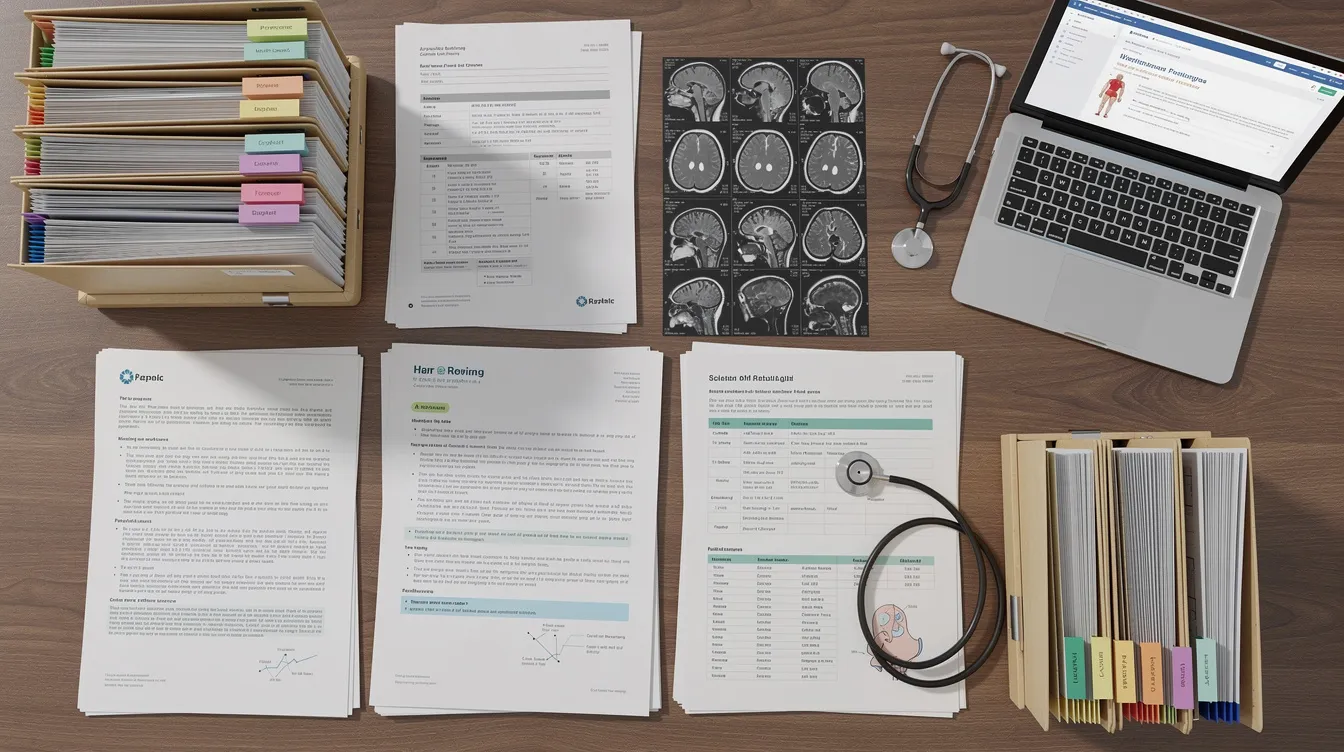
Strong medical evidence is the key to fast approval under the compassionate allowances program. Even when your condition is on the CAL list, incomplete or unclear records can stall your case or lead to a denial. Extensive medical evidence is crucial for SSDI applications - and this is especially true for CAL claims where speed depends on having everything documented upfront.
Here are the types of medical records that matter most:
-
Pathology reports and biopsy results confirming specific cancers or diseases
-
Imaging studies such as MRIs, CT scans, PET scans, and X-rays showing the extent and location of disease
-
Surgical reports, hospital discharge summaries, and specialist notes from oncology, neurology, or other relevant departments
-
Office treatment notes documenting symptoms, functional limitations, response to treatment, and how the condition affects daily living
Medical evidence must come from acceptable medical sources - licensed physicians, specialists, hospitals, and other professionals recognized by SSA. Records directly from hospitals and clinics carry more weight than brief "to whom it may concern" letters. Medical records must document treatment history and functional assessments so that SSA can evaluate not just what you have, but how it affects your ability to work.
SSA requires proof of diagnosis and severity for disability claims. You must provide detailed medical records to qualify for SSDI. Detailed medical records can speed up SSDI application processing because they reduce the need for DDS to chase down additional information or schedule consultative exams.
In North Louisiana, some hospitals and smaller clinics can be slow to compile or send records, especially pathology reports or historical files. A disability lawyer familiar with Monroe-area and other Louisiana providers can help make sure everything DDS needs arrives promptly. This is one of the most practical ways an attorney adds value - by following up with medical records departments and double checking that nothing is missing before the file reaches the examiner.
Dire Need, Terminal Illness, and Other Ways to Speed Up Disability Claims
Compassionate allowances are not the only way SSA can speed up a disability case. If you are in crisis - whether medically or financially - other programs may apply. This is especially important for people in Louisiana dealing with rapidly advancing illness or overwhelming financial hardship.
Terminal Illness (TERI) Processing
When a medical condition is untreatable and expected to result in death, SSA can designate the case as TERI (terminal illness). TERI cases are expedited at every step - intake, DDS review, and any appeals. Many cancers and advanced diseases qualify for TERI even if they are not formally on the compassionate allowances list. The key requirement is clear medical confirmation of the prognosis from an acceptable source.
Dire Need Cases
When an applicant cannot afford basic needs - food, medicine, shelter, or utilities - SSA can flag the case for faster handling under critical case or dire need protocols. Documentation is required: eviction notices, utility shut-off notices, pharmacy bills, or similar proof that you are unable to meet essential expenses.
Quick Disability Determinations (QDD)
Quick disability determinations use a separate computer-modeling system to identify cases that are highly likely to be approved based on the evidence submitted, even if the condition is not on the CAL list. If your application data strongly suggests approval, QDD can speed things up significantly.
A Louisiana disability lawyer can request these expedited flags, prepare written statements, and help gather supporting documentation. Coenen Law Firm regularly requests expedited processing for qualifying cases. If you are facing dire financial or medical circumstances, call (318) 322-7004 or reach out through the online contact form right away.
How a Louisiana Disability Lawyer Helps with Compassionate Allowances
Even in compassionate allowance cases, having an experienced Louisiana social security disability lawyer can improve your chances of approval, prevent technical mistakes that cause delays, and make sure your claim is evaluated under the correct cal conditions. Many applicants assume that a severe diagnosis means the process will take care of itself - but that is not always the case.
Here is what Coenen Law Firm can handle for you:
-
Reviewing whether your diagnosed condition appears on the current CAL list and confirming the exact medical terminology needed
-
Gathering, organizing, and submitting complete medical records from Louisiana doctors and hospitals - and following up to obtain anything missing
-
Preparing detailed disability and work history forms that align with the medical evidence and present the strongest possible case
-
Communicating with SSA and Louisiana DDS to monitor your case status and respond quickly to requests for additional information
-
Advising on SSDI backpay , Medicare eligibility, and related issues that can affect your financial security
Theodore "Ted" Coenen has over 20 years of experience helping people in Monroe and throughout Ouachita, Union, Morehouse, Richland, Caldwell, Jackson, and Lincoln Parishes with social security disability claims. His family has served North Louisiana as attorneys for over 70 years - he understands the local health system, the local SSA and DDS offices, and the challenges that come with seeking disability benefits in this part of the state.
The law firm works on a contingency fee basis in SSD cases. That means there is no upfront attorney fee - you pay nothing unless benefits are awarded, and fees are subject to SSA caps and approval. Initial consultations are always free.
Call (318) 322-7004 now to speak directly with Ted Coenen about a potential compassionate allowances claim, or send a secure message through the online contact form .
Serving Clients Across Monroe and North Louisiana
Although social security is a federal program, it matters to work with a lawyer who is committed to your local community and familiar with the specific institutions involved in your case. Coenen Law Firm's Monroe office serves clients throughout North and Central Louisiana, including:
-
Monroe, West Monroe, and Ouachita Parish
-
Bastrop and Morehouse Parish
-
Rayville and Richland Parish
-
Farmerville and Union Parish
-
Columbia and Caldwell Parish
-
Jonesboro and Jackson Parish
-
Ruston and Lincoln Parish
-
Winnsboro and surrounding communities
Ted Coenen knows the local Social Security offices, the Louisiana DDS process, and the medical providers and hospitals commonly involved in Louisiana disability claims - from St. Francis Medical Center in Monroe to Ochsner LSU Health in Shreveport. This local knowledge helps him anticipate delays, coordinate with the right people, and keep your case moving.
Even if you live in a small or rural parish, many matters can be handled by phone, video, and secure electronic document exchange. You do not need to travel to Monroe to get help.
If you need assistance with a disability claim, help is available now. Call (318) 322-7004 or send a message through our contact page to schedule a free case review.

Frequently Asked Questions about Compassionate Allowance Disability in Louisiana
Does a Compassionate Allowance condition guarantee that I will be approved for Social Security disability?
No. Having a condition on the compassionate allowances list does not guarantee automatic approval for disability benefits. The SSA must still confirm a valid diagnosis from an acceptable medical source, verify that the condition is severe and expected to last at least 12 months or result in death, and determine whether the applicant meets SSDI work-credit rules or SSI income and resource limits. The condition must prevent substantial gainful activity and be expected to last at least 12 months.
Compassionate allowances mainly speed up the review - they do not change the basic legal requirements for eligibility. If the medical evidence does not adequately document your condition, or if records are incomplete, your case can still be delayed or denied. That is why it is so important to submit thorough documentation with your initial application.
How long does it usually take to get a decision with a Compassionate Allowance in Louisiana?
Many CAL cases are decided in a matter of weeks to a few months when medical records are complete. By comparison, standard social security disability cases in Louisiana often take three to five months for an initial decision, and if you need to go through appeals- including a hearing before an administrative law judge - the total wait can stretch well beyond a year.
Actual timelines depend on how quickly doctors and hospitals in Louisiana send records and on DDS workloads, so no exact number of days is guaranteed. Coenen Law Firm monitors CAL cases closely and follows up with SSA to help keep the process moving whenever possible.
Can I qualify for expedited processing if my condition is not on the Compassionate Allowances list?
Yes. Even when your condition is not formally on the CAL list, you may still receive faster processing through quick disability determinations (QDD), terminal illness (TERI) procedures, or dire need status. For example, a rapidly progressing disease with a clear terminal prognosis may qualify for TERI even if it is not a named CAL condition. Similarly, a claimant who cannot afford food or shelter may qualify for dire need handling with proper documentation.
If you believe your case deserves faster processing, seek assistance from an experienced attorney. Coenen Law Firm can review whether your case qualifies for one of these expedited paths and help you gather the right documentation.
Should I get a disability lawyer if my diagnosis is clearly on the Compassionate Allowances list?
Many people benefit from hiring a disability lawyer even when their diagnosis is on the CAL list. The application and medical evidence still must be complete and accurate. Technical errors, missing records, or an improperly stated diagnosis can slow things down or lead to denials - even for conditions that should qualify.
A lawyer can also protect your SSDI benefits and backpay, advise on Medicare and related programs, and handle communication with SSA so you can focus on your health and medical care. Ted Coenen personally meets with clients, reviews diagnoses and records, and guides each person step by step through the process. Call (318) 322-7004 or message us online to ask whether a lawyer would add value in your particular case.
What does it cost to hire Coenen Law Firm for a Compassionate Allowances disability claim?
Under federal law, social security disability lawyers are typically paid on a contingency fee basis - a percentage of past-due benefits if the claim is approved, with no fee if there is no recovery. Fees are subject to SSA caps and approval. There is no upfront attorney fee for SSD cases, and initial consultations with Coenen Law Firm are always free.
If cost has been a concern holding you back from seeking help, know that you have nothing to lose by calling. Reach out to our office at (318) 322-7004 to discuss fee details and get answers tailored to your situation.