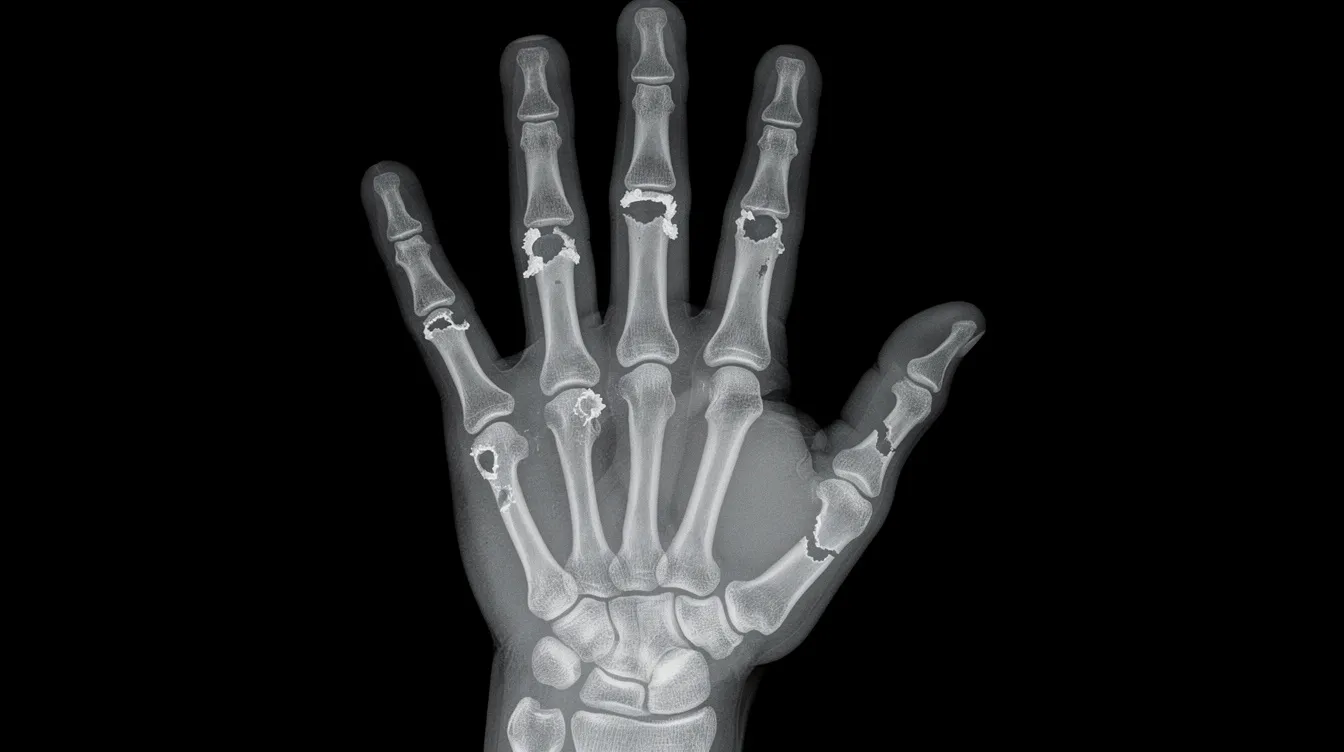
Essential Guide to Diabetes Disability Benefits Louisiana: How Coenen Law Firm Helps You Qualify
Living with diabetes is hard enough. When complications from the disease make it impossible to hold down a job, the financial pressure can become unbearable. If you or a loved one in Louisiana is dealing with serious diabetes complications that prevent you from working, you may be entitled to disability benefits through the Social Security Administration. This guide explains exactly how diabetes disability claims work in Louisiana, what complications the SSA looks for, and how Coenen Law Firm in Monroe can help you through every step.
Key Takeaways
-
Diabetes alone usually does not qualify for Social Security disability benefits, but serious complications like diabetic neuropathy, diabetic retinopathy, or diabetic nephropathy often do when they prevent you from working for at least 12 months.
-
Louisiana residents can pursue Social Security Disability Insurance (SSDI) or Supplemental Security Income (SSI) for diabetes-related disability. The application process is federal but handled locally through Louisiana Disability Determination Services.
-
Coenen Law Firm in Monroe, Louisiana focuses on Social Security disability and represents clients across North Louisiana, offering free case evaluations for diabetes disability claims at (318) 322-7004.
-
Strong medical evidence and clear descriptions of work limitations are the backbone of any successful claim. Diagnoses alone are not enough.
-
If you have questions or have already been denied, call (318) 322-7004 or message us online to protect your rights and start building your case.
Understanding Disability Benefits for Diabetes in Louisiana
Here is a quick overview of how disability benefits for diabetes work if you live in Louisiana.
When we say "disability benefits" in this context, we are talking about monthly payments through SSDI or SSI that replace income you can no longer earn because diabetes complications have taken you out of the workforce. Depending on which program you qualify for, you may also gain access to Medicare or Medicaid coverage to help manage your medical care.
Both Type 1 and Type 2 diabetes can support a Social Security disability claim, but only when complications are severe enough to limit your ability to work for at least 12 months. Simply having diabetes and taking insulin or oral medication is not, by itself, enough.
Social Security Disability Insurance is based on your work history and the Social Security taxes you have paid over the years. You need sufficient work credits to qualify. Supplemental Security Income, on the other hand, is designed for disabled individuals with limited income and resources who may not have enough work history.
If diabetes has already forced you to stop working or cut your hours, call Coenen Law Firm at (318) 322-7004 or use our online contact form to discuss your situation for free.
When Does Diabetes Qualify as a Disability Under Social Security Rules?
The Social Security Administration does not approve disability claims simply because someone has been diagnosed with diabetes. The central question is always: how does the condition affect your ability to work?
The SSA's basic disability standard requires a medically determinable impairment that prevents substantial gainful activity for at least 12 consecutive months or is expected to result in death. SSDI requires proof of disability preventing work for that 12-month period, and the bar is high.
Diabetes is evaluated under Section 9.00 of the SSA's Blue Book (Endocrine Disorders) because it is an endocrine system disorder. As of the August 14, 2026 update, there are no longer standalone numbered listings for diabetes. Instead, the SSA evaluates how diabetes complications affect other body systems-your eyes, kidneys, heart, nerves, skin, and brain. Complications from diabetes must affect specific body systems for your claim to succeed.
Key factors the SSA considers for diabetes claims include:
-
Severity and frequency of blood glucose swings (both chronic hyperglycemia and hypoglycemia)
-
Hospitalizations for diabetic ketoacidosis or other crises
-
Compliance with prescribed treatment
-
Long-term diabetes complications and their functional impact
-
Whether your condition limits you from sustained full-time work
Disability benefits for diabetes hinge on medical proof that your complications prevent you from maintaining employment, not just on your diagnosis or A1C number.
Common Diabetes Complications That Support Disability Claims
Most successful diabetes disability claims in Louisiana are based on serious complications-not simply elevated blood sugar or the use of insulin.
Chronic hyperglycemia can lead to long-term diabetic complications that damage multiple organs. For workers in North Louisiana, particularly those in physically demanding roles in warehouses, plants, or the trades, these complications can make continued employment impossible.
The complications most commonly at the center of approved claims include:
-
Diabetic neuropathy- nerve damage causing pain, numbness, and weakness in feet and hands
-
Diabetic retinopathy- damage to blood vessels in the eyes leading to vision loss
-
Diabetic nephropathy- kidney damage potentially progressing to end stage renal disease
-
Cardiovascular disease- including coronary artery disease, heart failure, and peripheral vascular disease
-
Amputations- loss of toes, feet, or legs due to poor circulation and chronic wounds
-
Severe hypoglycemic episodes- unpredictable blood sugar crashes causing seizures or loss of consciousness
The following sections go deeper into the three complications most often central to SSDI approvals: neuropathy, retinopathy, and nephropathy.
If your diabetes complications involve more than one body system, you may have a stronger claim. Contact Coenen Law Firm at (318) 322-7004 for a free case review.

Diabetic Neuropathy: Nerve Damage and Walking or Hand Limitations
Diabetic neuropathy is nerve damage caused by prolonged high blood sugar. It typically produces pain, numbness, burning, or weakness, especially in the feet and hands. Diabetes can cause diabetic neuropathy affecting nerve function throughout the body, and it is one of the most common reasons diabetes leads to disability.
For Louisiana workers, neuropathy creates serious work-related limitations:
-
Difficulty standing or walking for extended periods
-
Balance problems and frequent falls
-
Trouble using hands for gripping, lifting, or fine motor tasks
-
Inability to safely operate heavy equipment or machinery
Diabetic neuropathy is commonly evaluated under the SSA's neurological disorders listings (Section 11.00), a category that also includes conditions such as multiple sclerosis. The SSA looks for disorganization of motor function in two extremities or marked limitations in physical functioning. If neuropathy does not meet a listing exactly, the SSA evaluates your residual functional capacity to determine what work you can still do.
Medical evidence that strengthens a neuropathy claim includes:
-
Neurology or primary care notes documenting symptoms over time
-
EMG and nerve conduction studies
-
Podiatry records showing foot ulcers or wound care
-
Documentation of cane, walker, or other assistive device use
Consider a warehouse worker in Ouachita Parish or a plant worker in Richland Parish who can no longer safely stand for a full shift, climb ladders, or handle heavy parts. For workers like these, diabetic neuropathy can effectively end a career, and that is exactly the kind of case the SSA is designed to evaluate.
Diabetic Retinopathy and Vision Loss Claims
Diabetic retinopathy occurs when high blood sugar damages the small blood vessels in the retina. Over time, it can cause blurred vision, visual field defects, or complete blindness. Diabetic retinopathy can lead to vision loss and is evaluated under Section 2.00 (Special Senses and Speech) of the SSA's listings.
The SSA focuses on:
-
Visual acuity after best correction (e.g., 20/200 or worse)
-
Visual field testing results
-
Whether vision loss is in one or both eyes
Vision loss from retinopathy can prevent you from safely driving, operating machinery, reading gauges or small print, and working on screens for extended periods. For truck drivers, home health aides, and plant workers around Monroe or Ruston, losing the ability to pass a vision test or maintain driving clearance can mean losing the only kind of work they know.
Supportive medical evidence includes:
-
Ophthalmologist or retina specialist records
-
Visual acuity and visual field test results
-
Records of laser treatments or intravitreal injections
-
Any documentation of statutory blindness
If retinopathy is significantly limiting your ability to work, this is a strong basis for a disability claim.
Diabetic Nephropathy and Kidney Disease
Diabetic nephropathy is kidney damage caused by years of poorly controlled blood sugar. Diabetes is one of the leading causes of chronic kidney disease in the United States, and many Louisiana residents deal with this complication alongside other diabetes-related health issues.
Chronic kidney disease from diabetes is assessed under Section 6.00 (Genitourinary Disorders) of the SSA listings. The SSA focuses on reduced kidney function (measured by eGFR and creatinine), proteinuria, and whether you require dialysis or a kidney transplant.
Common work-related symptoms of kidney disease include:
-
Severe fatigue that makes a full workday impossible
-
Swelling in legs or feet limiting mobility
-
Difficulty concentrating due to toxin buildup
-
Frequent medical appointments for dialysis that conflict with any job schedule
Key medical evidence for kidney disease claims:
-
Lab results showing eGFR trends and creatinine levels
-
Nephrologist records
-
Dialysis schedules and treatment notes
-
Hospital records from acute kidney injury episodes
Advanced kidney disease or regular dialysis often strengthens a disability claim significantly. If you are dealing with end stage renal disease or have started dialysis, call (318) 322-7004 to discuss your options with Coenen Law Firm.
Other Serious Diabetes-Related Impairments the SSA Considers
Many people with diabetes do not have just one complication. The SSA must consider the combined effect of all impairments when evaluating your claim, and cases involving multiple body systems are often stronger.
Additional diabetes-related conditions that can support a claim include:
| Complication |
SSA Body System |
Examples |
|---|---|---|
| Heart disease / poor circulation |
Cardiovascular (Section 4.00) |
Coronary artery disease, heart failure, peripheral vascular disease |
| Stroke |
Neurological (Section 11.00) |
Cognitive deficits, speech or motor impairment |
| Chronic wounds / infections |
Skin (Section 8.00) |
Non-healing foot ulcers, cellulitis |
| Amputations |
Musculoskeletal (Section 1.00) |
Loss of toes, foot, or lower leg |
| Severe hypoglycemia / DKA |
Neurological / Endocrine |
Seizures, loss of consciousness, ER visits |
Cardiovascular complications from diabetes fall under Section 4.00, while amputations due to diabetes are evaluated under Section 1.00. These cross-references are part of how the SSA evaluates diabetes under its updated endocrine disorder framework.
Depression, anxiety, and cognitive difficulties linked to chronic illness and blood sugar swings may also be evaluated under mental disorders listings. Mental health disorders and mental health conditions often accompany long-term diabetes and can add significant weight to a disability claim. Even mental health symptoms like difficulty concentrating or persistent fatigue from managing a chronic disease can be relevant.
Coenen Law Firm knows how to present the full picture of multiple diabetes complications in a Social Security disability claim, connecting the dots across body systems so the SSA sees the real impact on your life.

Basic Eligibility: Work Credits vs. Financial Need (SSDI vs. SSI)
There are two main programs that provide disability benefits through the Social Security system, and understanding the difference matters for your claim.
SSDI (Security Disability Insurance SSDI): Based on your work history and the Social Security taxes you have paid. Most adults need about 40 total work credits, with 20 of those earned in the last 10 years before disability began. Younger workers may need fewer credits. SSDI benefits come with Medicare eligibility after a waiting period.
SSI (Supplemental Security Income): Based on financial need. SSI eligibility is based on income and resource limits, not work history. This program provides financial assistance to disabled individuals with limited income who either have not worked enough to qualify for SSDI or whose SSDI benefit amount is very low.
Some Louisiana claimants may qualify for both programs. Benefit amounts and health coverage options differ: SSDI leads to Medicare, while SSI typically connects to Medicaid. Residency and income requirements can affect eligibility for Louisiana Medicaid as well.
Substantial Gainful Activity limits earnings for SSDI eligibility. If you are currently earning above the SGA threshold, you generally cannot receive SSDI benefits regardless of how severe your condition is.
If you are unsure whether you have sufficient work credits or whether your income qualifies you for SSI, call Coenen Law Firm at (318) 322-7004 for a free review of your Social Security earnings record and eligibility.
How the SSA Evaluates Diabetes Disability Claims (Five-Step Process)
Every Social Security disability claim, including those based on diabetes, goes through the same five-step sequential evaluation. Understanding this process helps you see where claims succeed or fail.
-
Current work activity: Are you earning above the substantial gainful activity limit? If yes, your claim stops here.
-
Severity and duration: Is your impairment severe enough to significantly limit basic work activities, and has it lasted (or will it last) at least 12 months?
-
Meeting or equaling a listing: Does your condition meet or medically equal one of the SSA's Blue Book listings? For diabetes, the SSA evaluates complications under listings for the affected body system (neurological, vision, kidney, cardiovascular, etc.).
-
Past relevant work: Given your residual functional capacity, can you still perform any of your past jobs? The SSA considers your job skills, physical demands of prior work, and current limitations.
-
Other work in the national economy: Even if you cannot do past work, can you adjust to other work given your age, education, work history, and RFC? A medical vocational allowance may be granted if the answer is no.
For diabetes claims, steps 3 and 5 are often the turning points. Strong documentation of how complications limit your function-not just a diagnosis-determines the outcome.
SSDI applications in Louisiana are processed by Disability Determination Services offices in locations like Shreveport and Baton Rouge through the Louisiana Department of Health. While the rules are federal law applied nationwide, local DDS offices make the initial medical decisions.
Coenen Law Firm prepares diabetes disability cases with all five steps in mind from the very beginning, not just at the hearing stage.
Medical Evidence You Need for a Strong Diabetes Disability Claim
Strong, consistent medical evidence is often the single biggest difference between approval and denial for diabetes-related SSD benefits. Medical eligibility requires demonstrating severe damage caused by diabetes complications, and approval depends on documented evidence of complications such as neuropathy or retinopathy.
Key records the SSA expects in diabetes cases include:
-
Primary care visit notes showing ongoing treatment and symptom progression
-
Endocrinologist records
-
Eye exam reports from an ophthalmologist or retina specialist
-
Kidney lab results (eGFR, creatinine, proteinuria)
-
EMG and nerve conduction studies
-
ER and hospital records from acute episodes
-
Complete medication lists and any side effects noted
The SSA wants to see A1C trends over time-not just a single high reading. Documentation of hypoglycemic or hyperglycemic crises, hospitalizations, and notes showing how treating physicians have adjusted treatment are all important. Objective medical evidence carries far more weight than subjective complaints alone.
Equally important are doctor opinions that describe concrete work limitations. A letter from your doctor stating you "have diabetes" is far less helpful than one stating you "cannot stand for more than 20 minutes, cannot lift over 10 pounds, and experience disabling fatigue requiring unscheduled rest breaks." The SSA needs to understand how your condition limits you, not just what your condition is.
Coenen Law Firm helps clients in Monroe and surrounding parishes gather missing medical records, coordinate supportive statements from treating physicians, and fill gaps in supporting documentation that commonly cause claim denials.
The Application Process for Diabetes Disability Benefits in Louisiana
Louisiana residents can apply for disability benefits for diabetes online at ssa.gov, by phone, or in person at a local Social Security office, including the office serving Monroe. You can file your SSDI application online at ssa.gov or in person-whichever is more convenient.
The application process involves several key steps:
-
Completing the initial application and Adult Disability Report
-
Submitting medical release forms so the SSA can request your records
-
Responding to SSA questionnaires about your daily activities and limitations
-
Attending any consultative exams the SSA schedules with their own doctors
Initial SSDI decisions in Louisiana typically take three to six months. Initial decision timelines for disability claims generally take 3 to 5 months, though delays are common when records are incomplete. Most SSDI claims are denied at the initial application stage-approximately 60% of SSDI claims are initially denied nationwide, and Louisiana's initial approval rate of about 37.2% is below the national average.
A common mistake: listing diagnoses on forms without describing day-to-day limitations. Your SSDI claim should clearly explain how diabetes affects your daily life-frequent blood sugar crashes, the need to elevate your feet, missed work due to medical appointments, inability to concentrate-not just state that you have diabetes.
Call Coenen Law Firm at (318) 322-7004 before you file, or as soon as you receive any confusing paperwork. Reducing mistakes early in the application process can save months of frustration.

What Happens If Your Diabetes Disability Claim Is Denied?
Do not lose hope if your diabetes disability claim is denied. Most Louisiana disability claims are denied at first, even for people with serious complications. Denials are not the end-they are a normal part of the process, and appeals are built into the Social Security system.
An SSDI appeal has four stages:
-
Reconsideration- A different reviewer re-examines your claim and any new evidence
-
Hearing before an Administrative Law Judge (ALJ)- You present your case in person; claims approved at hearings have a 45–60% success rate
-
Appeals Council review- A panel reviews the ALJ's decision for legal errors
-
Federal court review- A United States government federal court reviews the case
You have 60 days to file an appeal after a denial letter arrives. Missing appeal deadlines can result in losing benefits and potentially losing months or years of backpay. If you receive a denied claim, act quickly.
How Coenen Law Firm assists during the appeal process:
-
Reviewing the denial letter and identifying specific reasons for the denial
-
Gathering additional medical evidence to address gaps
-
Preparing detailed hearing testimony about how diabetes symptoms and complications prevent work
-
Cross-examining vocational experts who may suggest unrealistic jobs you supposedly could perform
If you have already received a denial for diabetes-related disability benefits, call (318) 322-7004 or send a message through our online contact form immediately to protect your right to appeal within the 60-day window.
How a Louisiana Disability Lawyer Helps With Diabetes-Based Claims
An experienced SSDI attorney understands both the medical and legal sides of diabetes disability claims and can significantly improve your chances of approval. Hiring an attorney improves SSDI claim success rates, and legal assistance can help document your disabling condition effectively at every stage.
Specific tasks Coenen Law Firm performs for diabetes disability cases:
-
Evaluating whether your diabetes complications meet or medically equal SSA listings
-
Organizing your medical records into a clear, persuasive package
-
Advising on what treatment documentation to prioritize
-
Drafting legal arguments tailored for DDS reviewers or an administrative law judge
-
Preparing you for hearings-practicing how to answer questions about daily activities and work limitations
-
Responding to SSA or DDS requests for additional information on your behalf
Attorneys can improve preparation for SSDI hearings significantly. The difference between a claimant who walks into a hearing unprepared and one who has been coached by a disability lawyer on what the ALJ needs to hear is often the difference between approval and another denial.
Attorney fees in Social Security cases are contingency-based and must be approved by the SSA. There is no upfront attorney fee. Payment comes from a portion of backpay only if your claim is successful, subject to a cap set by federal law.
When you work with Coenen Law Firm, you get one-on-one attention from attorney Ted Coenen-not just a paralegal or intake staff member.
Why Work With Coenen Law Firm on Your Diabetes Disability Case?
Theodore "Ted" J. Coenen IV founded Coenen Law Firm in Monroe, Louisiana, and has been helping injured and disabled people for over 25 years. The firm's two key practice areas are Social Security disability and workers' compensation, and Ted personally handles each case.
Ted's roots run deep in North Louisiana. His father and grandfather served Richland Parish as attorneys for over 70 years. Today, Coenen Law Firm represents clients across Ouachita, Union, Morehouse, Richland, Caldwell, Jackson, and Lincoln parishes, and throughout the state.
What sets the firm apart for diabetes disability cases:
-
Personal handling- Ted works directly with you, not a rotating cast of associates
-
Free consultation- No cost and no obligation to discuss your diabetes disability claim
-
Clear communication- You will understand where your claim stands at every stage
-
Deep familiarity with local DDS and ALJ offices- Knowing how Louisiana's disability law system works at the ground level matters
The firm's website also offers detailed resources on SSDI appeals, SSDI benefits and backpay, how to apply for SSDI, and more-all written to help Louisiana residents understand a system that can feel overwhelming.
Ready to take the next step? Call (318) 322-7004 now for a free case evaluation, or send a message through our online contact form if diabetes is keeping you out of work. The condition affects your ability to earn a living-you deserve help getting the benefits you have earned.
Get Help With Diabetes Disability Benefits in Monroe and Across Louisiana
Dealing with diabetes complications is exhausting. When the disease threatens your ability to support yourself and your family, the weight can feel impossible to carry alone. Your disability prevents you from working, and you should not have to fight the Social Security system without experienced help.
People in Monroe and throughout North Louisiana do not have to navigate this process alone. Whether you are filing for the first time or appealing a denial, having a Louisiana disability attorney on your side can make all the difference.
Start by gathering a few key pieces of information:
-
Names and contact information for all your medical providers
-
A list of your current medications
-
Your work history for the past 15 years
Then contact Coenen Law Firm to discuss a disability claim strategy built around your specific situation.
Call (318) 322-7004 today for a free consultation about disability benefits for diabetes, or send a secure message through our online contact form . Consultations can often be done by phone or video for clients anywhere in Louisiana-you do not need to be in Monroe to get started.

Frequently Asked Questions About Diabetes and Disability Benefits in Louisiana
Does diabetes automatically qualify me for Social Security disability benefits?
No. Diabetes by itself does not automatically qualify you for Social Security disability benefits. The SSA evaluates how diabetes and its complications limit your ability to perform full-time work for at least an extended period of at least 12 months. Serious complications like diabetic neuropathy, diabetic retinopathy, diabetic nephropathy, heart disease, or amputations are often central to a successful claim. If you are unsure whether your diabetes is severe enough, call Coenen Law Firm at (318) 322-7004 for a free eligibility review.
Can I work part-time and still receive disability benefits for diabetes?
Limited part-time work may be permitted as long as your earnings stay under Social Security's substantial gainful activity limit and the work does not demonstrate an ability to maintain full-time employment. However, working while applying can be risky if not handled carefully-the SSA will closely examine your work activity. Talk with Coenen Law Firm before changing your job or hours so you understand exactly how your earnings might affect your SSDI claim or SSI eligibility.
What if my diabetes is controlled with medication-can I still get benefits?
Yes, it is possible. Even when blood sugar is generally "controlled," you may still have disabling complications or medication side effects that prevent full-time work. The SSA evaluates how well symptoms are managed with reasonable treatment and whether significant functional limitations remain despite that treatment. Keep detailed records of flare-ups, severe highs or lows, and days you cannot function normally, and share this information with both your doctors and your attorney. Cases like Richard v. Social Security Administration show that the SSA often uses "well controlled" language to deny claims, making thorough documentation of ongoing limitations critical.
How long does it take to get a decision on a diabetes disability claim in Louisiana?
Initial decisions typically take three to six months. If denied, the appeal process adds significantly more time. At the ALJ hearing level, Louisiana claimants often wait 8 to 10 months for a hearing, and total disposition time from hearing request to decision averages roughly 425 days statewide. Thorough, well-organized applications may move more smoothly, while missing records and incomplete forms cause delays and claim denials. Coenen Law Firm cannot speed up the SSA's timelines but can help avoid common mistakes that add unnecessary delays and position your claim strongly at each stage.
How does Coenen Law Firm charge for handling diabetes disability cases?
Social Security disability attorneys typically work on a contingency fee approved by the SSA. That means there is no upfront fee. Payment is a percentage of backpay if the case is won, subject to a cap set by the SSA. Clients are usually responsible for small out-of-pocket costs like fees medical providers charge for record copies, but these are discussed in advance so there are no surprises. If you have questions about fees or costs, call (318) 322-7004 or reach out through our online contact form for a straightforward explanation.