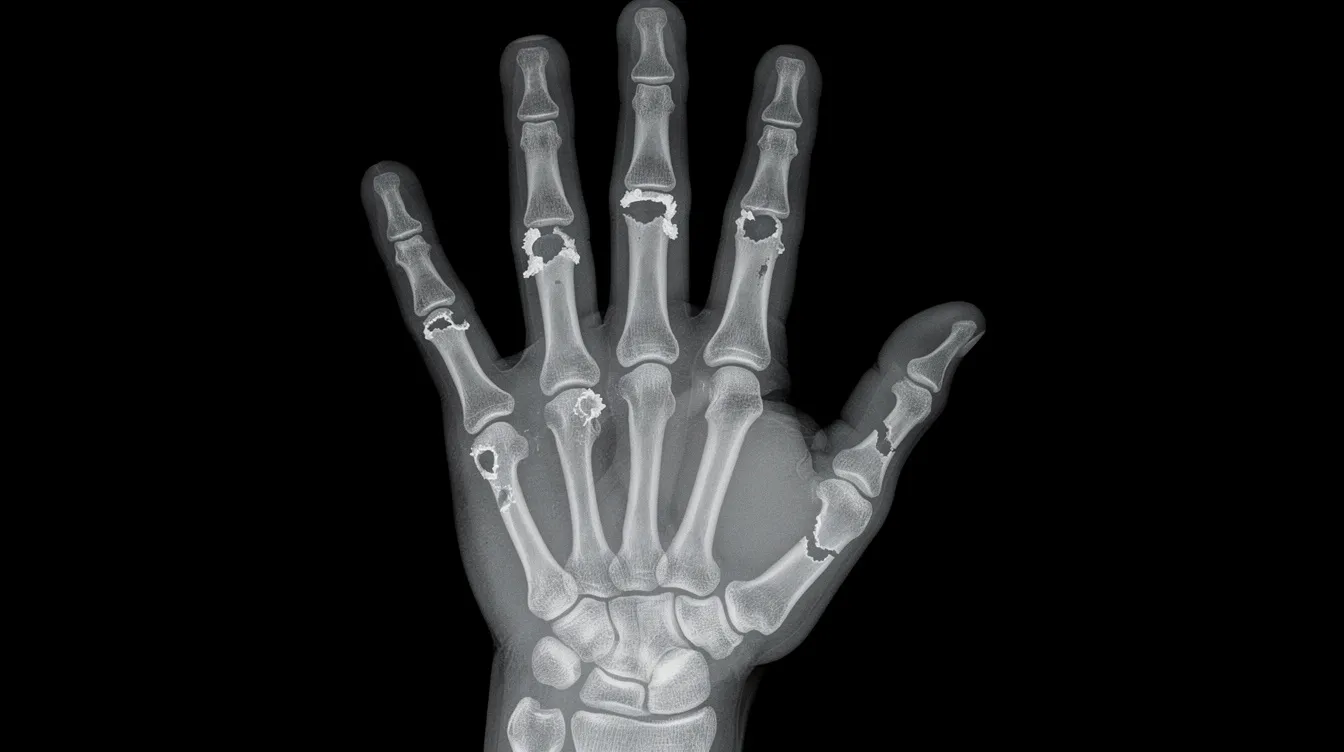
Disabilities That Qualify for SSDI in Louisiana: A Comprehensive Guide
If a serious medical condition has forced you to stop working, you are not alone. Thousands of Louisiana workers each year—including those in Monroe, New Orleans, and other locations across the state—find themselves unable to perform the jobs they once did because of chronic pain, heart problems, mental health struggles, or other disabling conditions. This guide is for Louisiana residents who are unable to work due to a serious medical condition and want to understand if they may qualify for SSDI benefits. Understanding which disabilities qualify and how to apply can make the difference between a successful claim and a lengthy denial process. The good news is that Social Security Disability Insurance (SSDI) exists to provide monthly payments to people who have worked, paid into the system, and can no longer earn a living.
This guide explains which disabilities that qualify for SSDI in Louisiana, how the Social Security Administration evaluates claims, and what you can do to strengthen your case.
Do I Qualify for Social Security Disability (SSDI) in Louisiana?
There is no single diagnosis that automatically wins SSDI. However, many conditions commonly qualify when they are well-documented and expected to last at least 12 months or result in death.
In Louisiana, SSDI eligibility criteria are the same as those set by federal law, regardless of where you live in the state. The same federal rules apply whether you live in Monroe, Ouachita Parish, Union, Morehouse, Richland, Caldwell, Jackson, Lincoln, or anywhere else in Louisiana. What matters just as much as your diagnosis is how your condition affects your ability to work full-time. For Louisiana residents who have spent years in physically demanding roles—plant work, trucking, construction, logging, oilfield services, nursing home care—even moderate impairments can be disabling when they prevent a return to past work.
To be eligible for Social Security disability benefits, you must have:
-
Enough work history under Social Security-covered employment (typically 40 credits, or about 10 years of work, with 20 credits earned in the last 10 years)
-
A medical condition that prevents substantial gainful activity for at least 12 consecutive months
-
Objective medical evidence supporting the severity of your limitations
The Social Security Administration will also consider the exact date your disability began, as this date is critical for determining your eligibility and calculating any potential backpay.
For a free disability evaluation with a Monroe SSDI lawyer, call (318) 322-7004 or send us a message online.

Work Credit Requirements for SSDI in Louisiana
To qualify for Social Security Disability Insurance (SSDI) benefits in Louisiana, it’s not enough to have a serious medical condition—you must also meet the Social Security Administration’s (SSA) work credit requirements. These credits are a way for SSA to measure your work history and determine if you are eligible for Social Security disability benefits.
The Social Security Blue Book: Conditions That May Qualify
The Social Security Administration (SSA) maintains a Listing of Impairments, commonly known as the Blue Book, that outlines medical conditions considered severe enough to prevent a person from working. The Listing of Impairments describes impairments considered severe enough to prevent an individual from doing any gainful activity. The Social Security Administration maintains an official guide called the Listing of Impairments, commonly known as the Blue Book. This document lists the detailed medical criteria SSA uses to determine whether a condition is severe enough to be considered disabling. The SSA compiles and regularly updates the Listing of Impairments to reflect current medical knowledge and qualifying conditions.
The Blue Book is divided into two parts:
-
Part A covers adults (age 18 and older)
-
Part B covers children
Each part contains 14 categories of impairments, and each category corresponds to a major body system, such as the musculoskeletal, cardiovascular, or neurological systems. These major body systems include conditions affecting the spine, heart, and mental health disorders, and are evaluated to determine whether they meet or equal listing criteria, which can establish disability status without further assessment.
Most listings require objective testing—MRIs, X-rays, lab results, nerve conduction studies, echocardiograms, pulmonary function tests, or mental health records from consistent treatment sources.
The 14 Adult Categories in the Blue Book
| Category |
Examples |
|---|---|
| Musculoskeletal (1.00) |
Spinal disorders, major joint dysfunction |
| Special Senses & Speech (2.00) |
Vision loss, hearing impairment |
| Respiratory (3.00) |
COPD, cystic fibrosis, pulmonary fibrosis |
| Cardiovascular (4.00) |
Heart failure, coronary artery disease |
| Digestive (5.00) |
Inflammatory bowel disease, liver disease |
| Genitourinary (6.00) |
Chronic kidney disease |
| Hematopoietic (7.00) |
Sickle cell disease, bone marrow disorders |
| Skin (8.00) |
Severe dermatitis, burns |
| Endocrine (9.00) |
Diabetes complications |
| Congenital (10.00) |
Down syndrome |
| Neurological (11.00) |
Epilepsy, multiple sclerosis, Parkinson’s |
| Mental Disorders (12.00) |
Depression, schizophrenia, anxiety |
| Cancer (13.00) |
Metastatic carcinomas, acute leukemia |
| Immune System (14.00) |
HIV, lupus, rheumatoid arthritis |
| If your condition meets or “equals” a listing, SSA can approve your case without analyzing whether you can do other type of work. However, statistics show only about 20-30% of claims succeed at this stage due to stringent criteria. |
Coenen Law Firm reviews medical records from local providers—Monroe clinics, St. Francis Medical Center, Ochsner LSU Health Shreveport-Monroe, and rural parish hospitals—to see if your condition fits or equals a Blue Book listing.
If your doctors have told you that you are permanently unable to work, call (318) 322-7004 to discuss your options.
Common Medical Conditions That Qualify for SSDI in Louisiana
Many Louisiana claimants qualify based on conditions that are common in the working population, especially when multiple impairments combine. A person with back injuries, diabetes, and depression may not meet any single listing but could still be found disabled based on the combined effect of all three conditions.
Many people in Louisiana qualify for SSDI benefits even if their specific diagnosis is not listed in the Blue Book, as long as their symptoms are severe enough to significantly limit their ability to work.
The key is not just having a diagnosis. SSA determines eligibility based on how your symptoms—pain, fatigue, shortness of breath, cognitive problems—make sustained full-time work impossible. It is also important to show that you are unable to maintain work activity over time due to your impairments, as SSA evaluates whether your limitations can be consistently maintained and prevent you from working on an ongoing basis.
Musculoskeletal Problems and Chronic Pain
Back, neck, joint, and spine conditions are among the most common reasons people in North Louisiana apply for SSDI. Workers who have spent decades lifting, bending, and standing often develop severe musculoskeletal disorders that prevent a return to any job.
Conditions that commonly qualify:
-
Herniated discs and spinal stenosis with nerve root compression
-
Failed back or neck surgery (post-laminectomy syndrome)
-
Severe osteoarthritis in knees, hips, or shoulders
-
Chronic regional pain syndrome (reflex sympathetic dystrophy)
-
Non-healed fractures or crush injuries
Typical limitations SSA considers:
-
Difficulty standing or walking more than a few minutes
-
Needing a cane, walker, or wheelchair
-
Inability to lift more than 10 pounds
-
Needing to lie down several times a day due to pain
SSA looks at objective proof: MRIs showing disc herniations, X-rays documenting joint space narrowing, surgical reports, and physical therapy notes showing failed conservative treatment.
Many former construction workers, plant hands, and home health aides in Ouachita and surrounding parishes win SSDI when chronic pain prevents even light-duty work. For example, a 55-year-old Monroe warehouse worker with multilevel degenerative disc disease who can no longer lift over 10 pounds or stand more than 15 minutes at a time may qualify based on these functional limits.
Heart, Circulation, and Lung Conditions
Heart and breathing problems are especially disabling when they cause shortness of breath, swelling, chest pain, or fainting with minimal exertion.
Qualifying conditions include:
-
Congestive heart failure
-
Coronary artery disease (with stents or bypass surgery)
-
Serious arrhythmias
-
Peripheral artery disease causing claudication
-
COPD and chronic bronchitis
-
Severe asthma
-
Pulmonary fibrosis and pulmonary hypertension
The Blue Book has specific criteria for these conditions: ejection fraction under 30%, exercise tolerance tests showing inability to achieve certain oxygen uptake levels, or three or more hospitalizations within 12 months.
Smokers and former industrial workers in paper mills, refineries, and plants around Monroe frequently develop these conditions through occupational exposure. Even if test results do not meet the exact listing, reduced stamina and frequent ER visits can still support approval through a medical-vocational allowance.
A former trucker with congestive heart failure and COPD who experiences chest pain and leg swelling after walking two blocks can often be approved when supported by echocardiogram reports and emergency room records.
Diabetes and Related Complications
Diabetes alone rarely qualifies for SSDI. However, long-term, poorly controlled diabetes with complications often does.
Complications that can qualify:
-
Peripheral neuropathy causing numbness, burning, or loss of balance in feet and hands
-
Diabetic retinopathy affecting vision
-
Chronic kidney disease requiring dialysis
-
Slow-healing ulcers and frequent infections
-
Amputations of toes, feet, or legs
These complications can make it unsafe to stand on concrete floors all day, operate heavy equipment, drive commercial vehicles, or handle small parts and tools.
Consider a Louisiana truck driver with diabetic neuropathy who can no longer safely press pedals or feel vibrations in his feet. Combined with vision problems and frequent blood sugar emergencies, this person may qualify for disability benefits even though diabetes itself is not listed.
SSA will look for consistent A1C levels above 9%, specialist notes from neurologists, nephrologists, and ophthalmologists, and emergency room visits for hypoglycemic or hyperglycemic episodes.
Neurological Disorders
Disorders affecting the brain and nervous system can qualify when they cause weakness, seizures, cognitive issues, or severe headaches that interfere with reliable work attendance.
Common qualifying neurological conditions:
-
Stroke with lasting weakness, speech problems, or cognitive deficits
-
Epilepsy with seizures that persist despite medication
-
Multiple sclerosis
-
Parkinson’s disease
-
Traumatic brain injury
-
Severe migraines documented by a neurologist (especially prostrating attacks occurring 3+ times per month)
Functional issues SSA considers:
-
Frequent falls or balance problems
-
Difficulty using hands for repetitive tasks
-
Memory and concentration deficits
-
Missing work due to uncontrolled seizures or severe headaches
Even younger claimants in their 30s and 40s in Monroe or Ruston can qualify when neurological symptoms make reliable attendance and performance impossible. Neurologist records documenting the frequency of episodes and failure of medication trials are critical evidence.
Mental Health Conditions
Mental health conditions are real disabilities that commonly form the basis of successful SSDI claims in Louisiana. Approximately 25-30% of all disability approvals involve mental disorders.
Key diagnoses that qualify:
-
Major depressive disorder
-
Bipolar disorder
-
Schizophrenia and schizoaffective disorder
-
PTSD (including from workplace injuries or serious accidents)
-
Anxiety disorders and panic disorder
-
Autism spectrum disorder
-
Intellectual disability
Work-related problems SSA considers:
-
Missing days due to panic attacks or depressive episodes
-
Inability to concentrate on simple tasks
-
Trouble interacting appropriately with co-workers or the public
-
Episodes of anger, paranoia, or decompensation under stress
Regular treatment and records from psychiatrists, therapists, and community mental health centers in Monroe and surrounding parishes are essential. SSA looks for marked or extreme limitations in understanding and applying information, interacting with others, concentrating, and adapting to changes.
If your depression, anxiety, or PTSD keeps you from holding a job, call (318) 322-7004 for a confidential discussion of your options.
Cancer and Other Serious or Terminal Illnesses
Many advanced cancers and other life-threatening conditions qualify for SSDI and may receive expedited processing under the Compassionate Allowance program.
Examples of qualifying conditions:
-
Metastatic breast, lung, colon, or prostate cancers
-
Acute leukemia and lymphoma
-
Pancreatic cancer
-
Amyotrophic lateral sclerosis (Lou Gehrig’s disease)
-
Advanced kidney or liver disease
-
End-stage renal disease requiring dialysis
Proof will include pathology reports, oncology records, imaging studies (CT/PET scans), and documentation of chemotherapy, radiation, or surgery.
Coenen Law Firm prioritizes seriously and terminally ill clients to move their SSDI cases as quickly as the system allows.

Compassionate Allowances: Faster SSDI for the Most Severe Diagnoses
The Social Security Administration’s Compassionate Allowance program fast-tracks claims for approximately 200+ conditions that are clearly disabling or terminal.
Examples of Compassionate Allowance conditions:
-
Amyotrophic lateral sclerosis (ALS)
-
Certain aggressive or metastatic cancers
-
Early-onset Alzheimer’s disease
-
Some rare childhood disorders
-
Acute leukemia
-
Pancreatic cancer
Compassionate Allowance does not eliminate the need to apply. Claimants must still file a complete SSDI application with medical proof. However, decisions may come in 10-90 days instead of the typical 6-24 months.
SSA’s computers often flag CAL conditions automatically based on diagnosis codes. However, errors and delays still occur if paperwork or medical records are incomplete.
If you or a family member has recently received a diagnosis of an aggressive cancer or ALS in Monroe or nearby parishes, call (318) 322-7004 or contact us online immediately to discuss expedited processing.
When Your Condition Is Not in the Blue Book: Medical-Vocational Allowances
Many SSDI approvals happen even when a person’s illness does not perfectly match any Blue Book listing. In fact, most approvals occur through what is called a medical-vocational allowance at Steps 4 and 5 of SSA’s evaluation process.
SSA looks at four factors together:
-
Age – Older workers (especially 50, 55, and 60+) receive more favorable consideration
-
Education – Limited education supports approval
-
Past work – Heavy, skilled labor with no transferable skills favors approval
-
Residual Functional Capacity (RFC) – What you can still do physically and mentally
This process is especially important for Louisiana workers over age 50 who have done heavy labor—truck driving, construction, logging, industrial work—and now can only perform, at best, very light tasks.
Example: A 58-year-old paper mill worker from Ouachita Parish with moderate COPD, degenerative disc disease, and depression may be found disabled even if no single condition meets a listing. The combination of conditions, age, limited education, and inability to return to heavy work can result in approval.
Detailed doctor opinions and consistent treatment records are often the difference between approval and denial at this stage.
How SSA Evaluates Your Disability: The Five-Step Process
Every disability claim in Louisiana goes through the same five-step sequential evaluation. The initial review is handled by Louisiana Disability Determination Services (DDS), a division of the Louisiana Department of Health.
Coenen Law Firm builds each case to address all five steps, from current work activity to whether any other jobs exist that you could realistically perform.
Step 1: Are You Working Above Substantial Gainful Activity?
If you earn more than the SSA’s substantial gainful activity (SGA) limit in a month, you generally cannot be found disabled, regardless of your medical condition.
2026 SGA limits:
| Category |
Monthly Earnings Limit |
|---|---|
| Non-blind individuals |
$1,690 |
| Blind claimants |
$2,830 |
| Occasional part-time work below SGA may be allowed but must be carefully documented. “Unsuccessful work attempts” can sometimes be excluded from consideration. |
If you are unsure whether your income exceeds the SGA limit, call Coenen Law Firm before reducing or quitting work.
Step 2: Is Your Condition Severe and Long-Lasting?
A “severe” impairment is one that significantly limits basic work activities—standing, sitting, lifting, concentrating, interacting with others—for at least 12 months or is expected to result in death.
Evidence SSA wants to see:
-
Clinic notes and specialist reports
-
Hospitalizations
-
Test results (imaging, lab work, nerve studies)
-
Mental health records
Gaps in treatment or failing to follow instructions from your doctors at clinics in Monroe, West Monroe, Ruston, or rural parishes can hurt credibility with SSA. Regular appointments and discussions about functional limitations (not just pain scores) strengthen your claim.
Step 3: Do You Meet or Equal a Listing?
If your documented medical condition meets or equals a Blue Book listing, SSA can approve your case at this step without further vocational analysis.
Many people with severe spine disorders, heart failure, uncontrolled seizures, or serious mental illness may meet listings when records are complete.
Coenen Law Firm performs a detailed comparison between each client’s records and potentially applicable listings, then highlights those matches for DDS and, if necessary, the Administrative Law Judge.
Step 4: Can You Do Any of Your Past Work?
SSA looks at all jobs you performed in the last 15 years, including the physical demands and skill levels required.
Common North Louisiana jobs SSA reviews:
-
Over-the-road truck driver
-
Home health aide or CNA
-
Warehouse worker
-
Plant or mill worker
-
Restaurant cook
-
Retail clerk
-
Construction laborer
Detailed job histories help show why, with today’s limitations, you cannot safely return to these old jobs. Coenen Law Firm helps clients describe past work accurately so SSA understands the real physical and mental requirements.
Step 5: Can You Do Any Other Work in the National Economy?
If SSA believes you could adjust to easier work—for example, a sit-down job—they will deny the claim at this step.
Age, education, and transferable skills are crucial. SSA’s “grid rules” often favor older workers, especially those 50, 55, and 60+, who have limited education and no transferable skills.
At hearings, vocational experts testify about hypothetical jobs a claimant could perform. Ted cross-examines these experts to challenge unrealistic job suggestions based on incomplete or inaccurate information about the claimant’s true limitations.
Proving That Your Condition Keeps You From Working
The hardest part of an SSDI case is not proving you have a diagnosis—it is proving how that condition limits your ability to reliably work full-time.
Key evidence SSA wants to see:
-
Consistent treatment records over time
-
Specialist notes addressing functional limitations
-
Imaging and lab results
-
Medication lists and documented side effects (drowsiness, dizziness, nausea)
-
Statements from treating doctors about work limitations
-
Third-party statements from family members
Real-world limitations that matter:
-
How far you can walk before needing to rest
-
How long you can sit before pain forces you to change positions
-
How often you must lie down during the day
-
How many days a month you would likely miss work due to symptoms
Be honest with doctors about mental health symptoms, fatigue, and “bad days” rather than putting on a brave face at every visit. These honest discussions become part of your medical records, which SSA reviews carefully.
Coenen Law Firm helps clients gather and organize records from hospitals and clinics throughout Ouachita, Union, Morehouse, Richland, Caldwell, Jackson, and Lincoln Parishes.

What If SSA Denies My SSDI Claim in Louisiana?
Most SSDI applications in Louisiana are denied at the initial stage—approximately 65-70% of claims. A denial letter is not the final word.
Appeal options include:
-
Reconsideration – Another DDS review of your file
-
Hearing before an Administrative Law Judge – This is where most successful claims are approved (45-60% approval rate)
-
Appeals Council review
-
Federal court
There is a strict 60-day deadline for each appeal level. Missing a deadline can mean losing months or years of backpay and potentially having to start over.
Ted Coenen personally prepares clients for hearings at the Monroe hearing office and other Louisiana locations. He questions vocational experts, presents medical and legal arguments, and ensures that all evidence supporting your disability claim is before the judge.
If you have already been denied, call (318) 322-7004 as soon as possible so the firm can file timely appeals and strengthen your record before the date of your next review.
Talk to a Monroe, Louisiana SSDI Attorney About Your Disability Today
Many different physical and mental conditions can qualify for SSDI in Louisiana when they prevent full-time work and are backed by strong medical evidence. Whether you are dealing with chronic pain, heart problems, diabetes complications, neurological issues, mental health struggles, or cancer, the key is proving that your condition meets SSA’s criteria for disability.
Coenen Law Firm focuses on Social Security Disability and Workers’ Compensation, representing clients across North Louisiana, including Monroe, West Monroe, Ruston, Bastrop, Rayville, Farmerville, Columbia, Jonesboro, and surrounding communities.
What you should know about working with us:
-
Initial consultations are free
-
Attorney fees are only paid from past-due benefits if your case is successful
-
We handle cases from application through all appeal levels
Call (318) 322-7004 now to schedule your free disability case review, or message us online and we will respond promptly.
Disabled workers and their families do not have to fight the Social Security system alone. Early legal help from Ted can make a significant difference in the outcome of your claim.