Sleep Disorder Disability Benefits Louisiana: How Coenen Law Firm Can Help
If a sleep disorder has made it impossible for you to hold down a job, you may be eligible for Social Security disability benefits. Coenen Law Firm, based in Monroe, Louisiana, helps people across north Louisiana file claims and win appeals when sleep apnea, narcolepsy, insomnia, or other sleep conditions prevent full-time work. Call (318) 322-7004 for a free consultation, or message us online to get started.
Key Takeaways
-
Severe sleep disorders, including obstructive sleep apnea, narcolepsy, and chronic insomnia, can qualify for Social Security disability benefits in Louisiana when they prevent full-time employment for at least 12 months.
-
The Social Security Administration does not have a specific medical listing for sleep apnea. Most Louisiana claimants qualify either under related medical listings (respiratory, cardiac, or mental disorders) or through a medical vocational allowance that accounts for how symptoms limit work ability.
-
Strong medical evidence makes or breaks these claims. Sleep studies, treatment compliance records (such as CPAP machine usage data), proof of chronic pulmonary hypertension or other serious complications, and documentation of how symptoms affect your past work are the foundation of a successful claim.
-
Coenen Law Firm serves clients throughout Ouachita, Union, Morehouse, Richland, Caldwell, Jackson, and Lincoln Parishes, and offers a free case review for anyone whose sleep problems keep them from working.
-
If you have been denied or are preparing to apply, call (318) 322-7004 or contact us online before appeal deadlines pass.
Sleep Disorders That May Qualify for Disability Benefits in Louisiana
Sleep disorders go far beyond snoring. These conditions can cause extreme daytime sleepiness, dangerous breathing disorders during sleep, and cognitive problems that make holding any regular job impossible. Whether you work in an office, drive a truck, or operate equipment in an oilfield, the functional impact of a sleep disorder can end your career.
Here are the conditions most commonly at issue in disability claims:
-
Obstructive sleep apnea (OSA): The most common qualifying sleep disorder. Your throat muscles relax and block the airway repeatedly during sleep, causing loud snoring, gasping, drops in oxygen saturation, and fragmented sleep. OSA is linked to hypertension, coronary artery disease, and heart disease. Sleep apnea can cause memory problems that directly affect job performance.
-
Central sleep apnea and complex sleep apnea: The brain fails to send proper breathing signals during sleep, often associated with heart failure or opioid use. Even with treatment (adaptive servo-ventilation, oxygen therapy), residual low oxygen levels or arrhythmias can persist, creating serious complications.
-
Narcolepsy: Sudden, uncontrollable sleep attacks that can occur at any moment. Narcolepsy can qualify for disability benefits under specific criteria; SSA evaluates it similarly to epilepsy when sleep attacks are frequent and uncontrolled by medication, making driving or operating machinery unsafe.
-
Chronic insomnia and circadian rhythm disorders: Long-term inability to fall asleep or maintain a stable sleep schedule, leading to severe fatigue, poor concentration, and attendance problems at work. Insomnia may qualify for disability if it severely impacts your ability to perform work.
Disability benefits are based on severity and functional impact, not the name of the diagnosis alone. A formal diagnosis of obstructive sleep apnea with an AHI of 5 is treated very differently from severe sleep apnea with an AHI above 30 and persistent oxygen desaturation.
Is Sleep Apnea a Disability Under Social Security Rules?
The Social Security Administration (SSA) does not list "sleep apnea" by name in its Blue Book medical listings. That does not mean you cannot qualify for disability benefits. It means you need to know how to frame the claim.
-
SSA uses the Blue Book (Part A for adults) and evaluates sleep-related breathing disorders under the respiratory system (Section 3.00), cardiovascular (Section 4.00), or mental disorders (Section 12.00) listings depending on which body system your sleep disorder damages.
-
Many Louisiana sleep disorder claims are approved either by showing that complications meet a related medical listing, such as chronic pulmonary hypertension, or through a medical vocational allowance based on how your sleep apnea symptoms and related functional limitations prevent full-time work.
-
Coenen Law Firm can review an existing denial letter or pending claim to identify which listing or theory (residual functional capacity analysis, medical vocational allowance) fits your case best. Ted Coenen has represented disabled workers in north Louisiana since the 1990s and understands which approach gives your claim the strongest chance.
How SSA Evaluates Sleep-Related Breathing Disorders and Complications
SSA looks at what a sleep disorder does to your body and mind, not simply whether you carry a sleep apnea diagnosis. The agency evaluates complications across three main areas.
Breathing disorders and respiratory listings. SSA evaluates severe OSA and related conditions under adult respiratory listings. Chronic pulmonary hypertension can qualify under Listing 3.09, which requires a mean pulmonary artery pressure of 40 mm Hg or greater documented by cardiac catheterization while medically stable. Untreated or poorly controlled sleep apnea can contribute to this condition over time through chronic low oxygen levels and hypoxic pulmonary vasoconstriction. Respiratory failure (Listing 3.14) applies when noninvasive ventilation with BiPAP or invasive mechanical ventilation is required for at least 48 continuous hours, occurring twice within a 12-month period.
Heart-related complications. Recurring arrhythmias, right-sided heart failure (cor pulmonale), or chronic heart failure triggered or worsened by sleep apnea may be evaluated under cardiovascular listings in Section 4.00. When heart failure results from pulmonary hypertension secondary to a breathing disorder, SSA may evaluate the claim under respiratory listings instead.
Mental and cognitive problems. Severe sleep apnea can lead to cognitive impairments qualifying for benefits. Chronic sleep deprivation causes attention and memory deficits, mood changes, and slowed mental functioning. SSA may consider these under mental disorder listings(for example, neurocognitive disorders in Listing 12.02, which requires medically documented cognitive decline plus marked limitations in at least two areas of mental functioning) or factor them into an RFC analysis.
Even if you don't meet a strict listing, Coenen Law Firm can develop a theory showing how combined complications from your sleep disorder prevent sustained employment.
Sleep Disorders and Long Term Disability vs. Social Security Disability
Private long term disability benefits (from an employer group policy or individual policy) and federal Social Security disability benefits are different programs with different standards. This page focuses on Social Security disability insurance and supplemental security income, but many Louisiana claimants deal with both at the same time.
-
Private long term disability policies often dispute sleep apnea, narcolepsy, or insomnia claims as "not disabling" or "subjective." Insurers may argue that a CPAP machine or medication solves the problem, cutting off long term disability payments.
-
SSA applies a different legal standard. The question is whether you can engage in substantial gainful activity for at least 12 months. SSA may continue to find you disabled even if a private insurance carrier has stopped long term disability benefits.
-
Evidence prepared for Social Security (sleep studies, residual functional capacity opinions, documentation of breathing disorders) can support long term disability claims as well. Medical records built for one claim often strengthen the other.
If you are dealing with both SSA paperwork and a long term disability dispute, call (318) 322-7004 to discuss a coordinated strategy with Coenen Law Firm.
Medical Diagnosis: The First Step Toward Disability Benefits for Sleep Disorders
SSA requires a medically determinable impairment before any benefits analysis begins. You need a medical diagnosis of sleep apnea (or another sleep disorder) from an acceptable medical source; self-reported poor sleep is not enough. You must provide medical documentation of your sleep apnea or other condition.
-
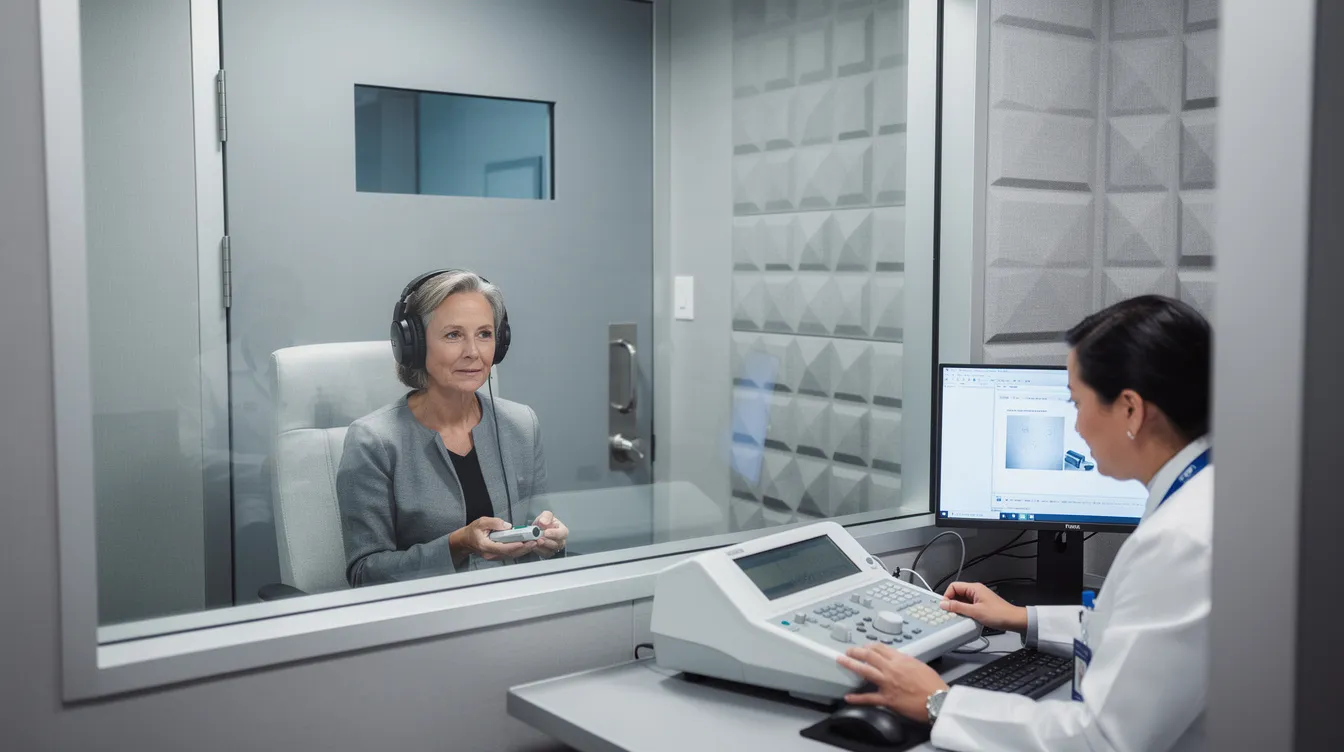
Sleep studies are the cornerstone. Overnight polysomnography (PSG) or a home sleep test provides objective data: the Apnea-Hypopnea Index (AHI) shows how many breathing interruptions occur per hour, oxygen desaturation levels document how low your blood oxygen drops, and the arousal index measures how fragmented your sleep architecture is. Documented sleep studies are essential for claims.
-
Specialists who matter. A sleep specialist diagnoses and monitors your condition. Pulmonologists assess respiratory system function. Cardiologists evaluate heart strain and pulmonary hypertension. Neurologists or mental health providers document cognitive decline or mood disorders linked to chronic sleep deprivation.
-
The 12-month rule. SSA requires proof of symptoms lasting at least 12 months. Your sleep disorder and its symptoms must have lasted, or be expected to last, at least 12 months, or be expected to result in death, to support disability benefits. You need a medical diagnosis lasting at least 12 months.
Coenen Law Firm helps clients in Monroe and surrounding parishes identify missing medical evaluations and request referrals or updated testing when records fall short of what SSA needs.

Medical Evidence Needed to Prove a Sleep Disorder Disability Claim
Strong medical evidence is often the difference between approval and denial. Many DDS reviewers assume that sleep apnea improves with CPAP; your records need to show otherwise. SSA requires objective medical evidence from recognized sources, and approval for disability benefits often requires documentation of related health conditions beyond the sleep disorder itself.
Core medical evidence to gather:
| Evidence Type |
What It Shows |
|---|---|
| Sleep study (PSG or home test) |
AHI, oxygen saturation drops, arousal index, sleep architecture |
| CPAP/BiPAP usage reports |
Compliance hours per night, residual AHI on device, pressure settings |
| Echocardiogram |
Right heart strain, elevated pulmonary pressures |
| Right-heart catheterization |
Mean pulmonary artery pressure (needed for Listing 3.09) |
| Spirometry, DLCO, ABGs |
Lung function, gas exchange, oxygen levels |
| Pulse oximetry (daytime and overnight) |
Ongoing low oxygen despite treatment |
Additional evidence SSA considers:
-
Neuropsychological testing or cognitive assessments documenting attention, memory, or executive function deficits linked to poor sleep
-
Depression and anxiety evaluations from a mental health provider
-
Medical notes stating work limitations from your treating physician or sleep specialist
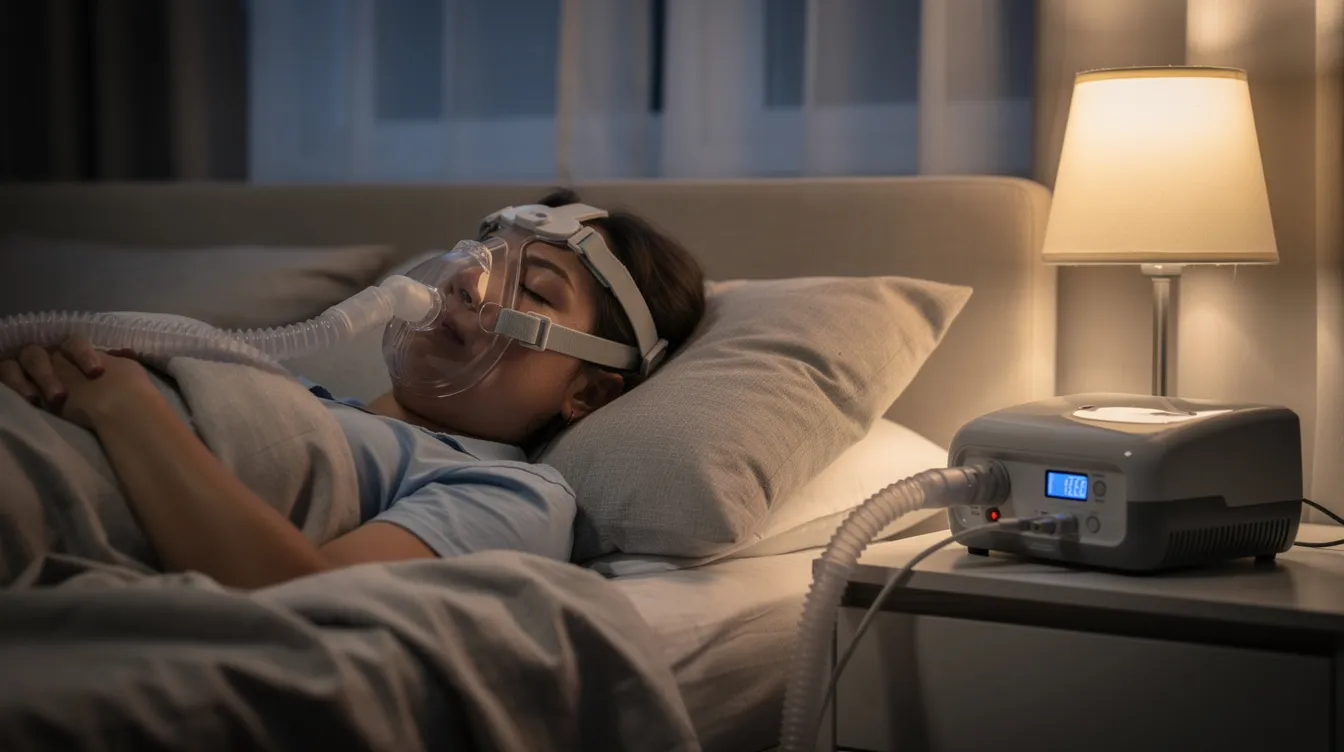
Longitudinal records matter. Repeated visits over months or years showing ongoing symptoms despite compliant use of your CPAP machine or other treatments demonstrate that your condition is a severe impairment, not a temporary inconvenience. Treatment compliance records are needed to validate the persistence of symptoms. SSA requires proof of severe sleep apnea symptoms that continue despite appropriate treatment.
Coenen Law Firm can help gather and organize medical evidence, and can request supportive medical source statements that target SSA's specific criteria for disability.
Proving That Sleep Disorders Prevent You From Working
A diagnosis alone is not enough. SSA wants to know how your symptoms prevent you from performing your past work or any other full-time job in the national economy. You must provide evidence showing real-world functional limitations.
-
Staying awake on the job. Excessive daytime sleepiness can impair work performance. Falling asleep during shifts, needing unscheduled naps, or being unable to stay alert through an eight-hour day are concrete limitations SSA considers.
-
Physical limits. Fatigue, shortness of breath, morning headaches, and reduced stamina limit physical jobs: construction, warehouse work, healthcare, and similar positions. If you cannot walk long distances or stand for extended periods because of exhaustion and oxygen issues, that narrows the work you can do.
-
Cognitive and safety risks. Cognitive impairments from sleep disorders can reduce alertness. Difficulty concentrating, slowed thinking, and increased mistakes raise safety risks at work, especially in jobs involving driving long distances across rural Louisiana parishes or operating machinery. Sleep disorders can lead to increased safety risks at work.
-
Attendance. Frequent absences due to sleep disorders can hinder employment. Regular medical appointments, sleep studies, equipment adjustments, and nights of severe insomnia leading to missed work or tardiness all count against your ability to maintain competitive employment.
Coenen Law Firm helps clients translate real-world struggles into the kind of functional descriptions SSA uses in a residual functional capacity analysis.
Residual Functional Capacity (RFC) and Medical Vocational Allowance
Most sleep disorder claims in Louisiana are approved based on RFC and a medical vocational allowance, not by meeting a specific listing. Understanding how this works gives you a clearer picture of what your claim needs.
RFC in plain terms. Your residual functional capacity is the most you can still do on a regular, sustained basis in a work setting despite your sleep disorder symptoms and complications. SSA defines this across both physical and mental dimensions.
Physical RFC factors:
-
How long you can sit, stand, or walk before fatigue or shortness of breath forces a break
-
How much weight you can lift and carry
-
Whether you need to lie down or nap during the day
-
Whether your daily life is limited by exhaustion to the point where light or sedentary work is impossible
Mental RFC factors:
-
Ability to maintain attention and concentration for two-hour blocks
-
Ability to stay on task, follow instructions, and keep up a normal pace
-
Ability to interact with coworkers and the public without cognitive lapses
Medical vocational allowance. When your RFC shows you cannot perform your past work, SSA considers your age, education, and transferable skills to determine whether any other jobs exist in the national economy that you could do. Applicants over 50 in Louisiana often benefit from SSA's medical-vocational "grid rules," which can direct a finding that you are deemed disabled when you cannot return to your past work and your RFC limits you to sedentary or light jobs.
Ted Coenen uses your work history and RFC evidence to argue that there are no realistic jobs you can perform on a full-time basis, leading to claim approval through a medical vocational allowance.
How Your Past Work History Affects a Sleep Disorder Disability Claim
SSA first asks whether you can still perform work you did within the last 15 years. Describing those jobs accurately, including the physical and mental demands, is critical.
Sleep disorders affect jobs common in north Louisiana in specific ways:
-
Truck driving and oilfield work: Extreme daytime sleepiness or narcolepsy makes these safety-sensitive positions unacceptable. A driver who may fall asleep behind the wheel cannot legally or safely perform that work.
-
Plant, mill, and manufacturing jobs: Operating machinery with impaired concentration creates unacceptable risk. Cognitive impairments from sleep apnea directly reduce alertness on production lines.
-
Healthcare, retail, and service positions: Irregular schedules, long shifts, and the need for consistent attendance clash with sleep disorders that cause unpredictable fatigue and frequent absences.
-
Office and clerical work: Even sedentary jobs require sustained attention. If you cannot concentrate for extended periods or stay awake at a desk, those positions are off the table.
If you have employer write-ups, performance warnings, or terminations due to tardiness, falling asleep on the job, or frequent absences, those records directly support your claim by showing how the condition ended your past work.
Coenen Law Firm can analyze your past work and explain to SSA why you cannot go back to that work or adjust to other jobs. Call (318) 322-7004 for a free consultation.
The Disability Benefits Application Process for Sleep Disorders in Louisiana
Most Louisiana sleep disorder claims start with an SSDI or SSI application through SSA, and many are denied at first due to incomplete medical evidence. The application process for disability benefits can take several months. Social Security disability benefits are evaluated by the SSA and local Disability Determination Services in Louisiana.
-
How to apply. You can apply online at SSA.gov for Social Security disability insurance if you have sufficient work history, or through the local Social Security office for supplemental security income if your claim is need-based (SSI). You will need to provide your work history, medications, treatment sources, and detailed symptom descriptions.
-
List every provider. Include every doctor, sleep lab, and hospital in Ouachita, Union, Morehouse, Richland, Caldwell, Jackson, and Lincoln Parishes and beyond. SSA collects medical records from the providers you list; missing a source means missing evidence.
-
Consultative examinations. If your records are incomplete, SSA may schedule a consultative examination, including sleep, pulmonary, or psychological evaluations. Attending these appointments is critical; skipping them often results in denial.
SSDI is for individuals with sufficient work history; SSI is need-based. Both programs use the same medical standards to determine disability.
Coenen Law Firm can help prepare your application, ensure that sleep disorder symptoms are clearly described, and avoid common mistakes that lead to denials. Contact the firm before or soon after filing so evidence can be developed from the start.

Appealing a Denial of Sleep Disorder Disability Benefits
Many legitimate sleep disorder claims are denied at the initial level in Louisiana. The state's initial approval rate is approximately 35-38%, but around 59% of ALJ hearing decisions are fully or partially favorable. Claim denials can be appealed through multiple levels of review, and the numbers show that appeals often succeed.
-
The 60-day deadline. You can appeal a denied disability claim within 60 days of receiving a denial from SSA. Missing this deadline can force you to start over unless you demonstrate good cause for the delay.
-
Appeal stages in Louisiana: Reconsideration (a second review of your file), hearing before an Administrative Law Judge at the SSA hearing office serving Monroe and nearby parishes (typically Shreveport or Alexandria, with average wait times around 269 days), Appeals Council review, and possible federal court review.
-
What Coenen Law Firm does on appeal. Ted Coenen reviews the denial letter, identifies weak or missing medical evidence, requests additional records (for example, proof of chronic pulmonary hypertension, cardiac complications, or updated cognitive testing), and prepares detailed written arguments for the ALJ.
-
Hearing preparation. The firm prepares clients through practice questioning about sleep patterns, daily activities, inability to perform past work, side effects of treatments like CPAP, BiPAP, or medications, and how medical conditions combine to prevent any sustained employment.
If you received a recent denial, call (318) 322-7004 immediately or reach out through the online contact form so appeal deadlines are not missed.
Why Work With a Local Monroe, Louisiana Social Security Disability Attorney
Sleep disorder disability cases are evidence-intensive and technical. Having a local disability lawyer who concentrates on Social Security disability can change the outcome.
-
Ted Coenen's experience. Attorney Theodore J. "Ted" Coenen IV has represented disabled workers in north Louisiana since 1996, handling both Social Security disability and workers' compensation matters. He understands how SSA evaluates medical history, medical listings, and RFC evidence.
-
Local knowledge. As a Monroe-based firm, Coenen Law Firm knows the local doctors, sleep labs, and SSA offices serving Ouachita, Union, Morehouse, Richland, Caldwell, Jackson, and Lincoln Parishes. That familiarity speeds up record collection and helps identify treatment gaps before they become problems.
-
One-on-one attention. Ted personally reviews your medical evidence, prepares you for hearings, and explains each step of the process in clear terms. You are not handed off to a call center.
-
No upfront fees. Social Security cases are handled on a contingency basis. You pay no attorney fee unless you win Social Security benefits, with fees typically limited by federal law.
Schedule a free consultation by calling (318) 322-7004 or sending a secure message through the online form.
Free Consultation: Talk to Coenen Law Firm About Your Sleep Disorder Claim
If a sleep disorder is making it impossible to keep a job or safely perform your duties, you should not face the Social Security system alone. A free case review with Coenen Law Firm can clarify where you stand.
-
Bring your denial letter, medical records, or long term disability correspondence so the firm can analyze your options on the spot.
-
During the consultation, the firm reviews your symptoms, medical evidence, past work, and potential eligibility for SSDI, SSI, and any backpay that may be owed.
-
Act now. Medical evidence is easier to gather while you are still in active treatment, and appeal deadlines pass quickly. The sooner you begin, the more complete your claim will be.
Call (318) 322-7004 today or contact Coenen Law Firm online to get started on a sleep disorder disability claim anywhere in Louisiana.
Frequently Asked Questions About Sleep Disorder Disability Benefits in Louisiana
Does CPAP use automatically disqualify me from getting disability benefits?
No. Using a CPAP machine or BiPAP does not automatically qualify or disqualify you from disability benefits. SSA looks at whether treatment controls your symptoms well enough for you to perform work on a full-time, sustained basis. Many people remain excessively sleepy, have low oxygen levels, or develop complications like chronic pulmonary hypertension despite good CPAP compliance. In those cases, you may still qualify for disability benefits. Your CPAP usage data can actually help your claim by showing you followed medical advice but still cannot function at a work level. You do not automatically qualify simply because you use CPAP, and you are not automatically disqualified either.
Can I get disability benefits if I am still working part-time with my sleep disorder?
Some limited part-time work may be allowed as long as your earnings stay below SSA's substantial gainful activity (SGA) threshold. For 2026, the SGA limit for non-blind individuals is $1,690 monthly. SSA examines your overall ability to maintain regular, predictable attendance and productivity, not just whether you clock a few hours here and there. If your part-time schedule exists because your sleep disorder prevents full-time competitive employment, that supports your claim rather than hurting it. Discuss any ongoing work with a disability attorney so it is accurately described in your application or appeal.
How long does it take to get disability benefits for a sleep disorder in Louisiana?
Initial decisions from Louisiana DDS commonly take several months. If you are denied and appeal to an ALJ hearing, the average wait in Louisiana is approximately 269 days (about 9 months) as of mid-2026. Complex medical evidence, like verifying pulmonary hypertension through cardiac catheterization or obtaining updated sleep studies, can add time. Working with Coenen Law Firm can improve organization and completeness of your file, which helps avoid unnecessary delays, though no one can guarantee a specific decision date.
What if I have both a sleep disorder and other serious medical conditions?
SSA considers all medically determinable impairments together. If you have diabetes, obesity, heart disease, depression, anxiety, chronic pain, or other medical conditions alongside your sleep disorder, the combined effects often strengthen your claim. Fatigue layered on top of pain, breathing problems, and weight loss difficulties can make any type of past work impossible. Coenen Law Firm routinely prepares cases involving multiple overlapping conditions and presents the full picture to SSA so that no limitation is overlooked.
Do I need an attorney to apply for sleep disorder disability benefits?
You are not required to have an attorney, but an experienced Social Security disability lawyer can improve your chances by organizing medical evidence, meeting deadlines, and preparing you for hearings. Louisiana's initial approval rate is only about 35-38%, and the hearing approval rate climbs to roughly 59%, which underscores the value of strong preparation and representation at the appeal stage. Coenen Law Firm offers free consultations and only collects a fee if you are awarded benefits, making legal help accessible to people who are unable to work. Call (318) 322-7004 or send a message through the online form to discuss your situation.