Vision Loss Disability Benefits Louisiana – SSDI & SSI Help from Coenen Law Firm
Living with vision loss changes everything - from how you get to work to whether you can do your job safely. If your eyesight has deteriorated to the point where holding down steady employment feels impossible, you may have options you haven't explored yet. This guide walks through the federal disability programs available to Louisiana residents with vision problems, the medical evidence you need, and how Coenen Law Firm can help you pursue the benefits you deserve.
Key Takeaways
People in Louisiana who have vision loss, low vision, or are legally blind may be eligible for Social Security Disability Insurance (SSDI) or Supplemental Security Income (SSI), even if they do not meet SSA's strict definition of blindness. Visual impairment does not need to meet total blindness criteria to qualify for assistance - many people with partial sight receive benefits based on the combined effect of their limitations.
Social Security has special rules, higher earnings limits, and unique work incentives for people who are legally blind, and understanding these rules can significantly impact how much a person can receive in disability benefits. Federal programs provide monthly cash stipends and medical coverage for individuals with disabilities, including those with severe vision problems.
Vision loss claims turn on detailed medical evidence - eye exams, central visual acuity measurements, visual field testing - and on how the impairment affects the person's ability to perform past work or any other job under SSA's five-step sequential evaluation process. Applying for disability benefits necessitates gathering comprehensive medical documentation from the start.
If you live in Monroe or anywhere in north Louisiana and you're dealing with vision loss that keeps you from working, call Coenen Law Firm at (318) 322-7004 or send a secure message through the online contact form for a free Social Security disability consultation. Attorney Ted Coenen personally handles disability cases and routinely appears at Social Security hearings for clients in Ouachita, Union, Morehouse, Richland, Caldwell, Jackson, and Lincoln Parishes, as well as elsewhere in Louisiana.
How Vision Loss Can Qualify for Social Security Disability Benefits
Social Security disability benefits are available when a medical condition - including vision loss or low vision - keeps someone from working on a full-time, consistent basis for at least 12 months or is expected to result in death. The condition must be supported by objective medical evidence, and the Social Security Administration looks at whether you can still do your past work or adjust to other work in the national economy.
There are two main programs:
-
SSDI (Social Security Disability Insurance): SSDI benefits based on the worker's own work history and Social Security-covered earnings. You must have paid Social Security taxes long enough and recently enough to be insured.
-
SSI (Supplemental Security Income): A needs-based program for people with limited income and resources. Individuals with limited income may qualify for Supplemental Security Income without work history.
A person does not have to be totally blind to qualify. Low vision and combinations of impairments - such as vision loss plus diabetic complications, neuropathy, or mobility problems - may also make someone unable to sustain substantial gainful activity. Louisiana offers specialized support programs for individuals experiencing vision loss, but when work is no longer possible, SSDI or SSI may be the right path forward.
If you're unsure whether your eye condition meets Social Security's disability criteria, call Coenen Law Firm at (318) 322-7004 for a free case review.
Vision Loss vs. Low Vision: Understanding the Difference
"Vision loss" covers any significant reduction in sight, ranging from partial loss to total blindness, caused by injury, disease, or age-related conditions. It's a broad term that includes many different levels of severity.
"Low vision" usually means a person still has some usable sight, but it is not fully correctable with glasses, a corrective lens, contacts, or surgery. It significantly interferes with reading, driving, recognizing faces, or working. Someone with low vision may not be considered legally blind under Social Security's rules but may still be unable to perform substantial work when real-world job demands are considered.
Here are concrete examples of how low vision might affect work in Louisiana:
-
Difficulty operating machinery safely at a Monroe manufacturing plant due to poor depth perception
-
Problems driving for delivery jobs in Richland or Caldwell Parish because of limited peripheral vision
-
Inability to read computer displays or fine print in an office setting in Ruston
-
Trouble reading labels, invoices, or safety signage in warehouse or retail work
Coenen Law Firm carefully documents how both partial vision loss and low vision impact daily activities and job performance, so Social Security understands why a claimant may be eligible for benefits - even when they still have some remaining sight.
SSA Criteria for Legal Blindness and Vision Disorders
Social Security's medical criteria for vision disorders are primarily found in Section 2.00 of the SSA Blue Book(Special Senses and Speech). This section sets out SSA's definition of legal blindness and other types of severe visual impairment.
For Social Security purposes, statutory blindness means:
| Measurement |
Threshold |
|---|---|
| Best-corrected central visual acuity in the better eye |
20/200 or worse |
| Visual field in the better eye |
20 degrees or less (widest diameter) |
Either standard can establish legal blindness, even if the person uses glasses or contact lenses. The SSA recognizes total blindness as a severe vision impairment, and blindness is defined as visual acuity of 20/200 or less, or a visual field limited to 20 degrees or less.
It's important to understand that SSA's definition of blindness is a specific criteria that controls eligibility for special disability rules - it's different from a doctor simply telling someone they are "blind." Vision disorders can involve damage to the eye itself, the optic nerve, or the brain's visual pathways (such as after a stroke or traumatic brain injury), and these conditions can fall under SSA's listings even when the eye appears structurally normal.
Ted Coenen reviews eye exam reports, visual acuity charts, and visual field tests to determine whether a client may meet a listed impairment or otherwise satisfy Social Security's severity requirements.
Testing and Medical Evidence for Vision Loss Disability Claims
Strong, objective medical evidence is critical in any Social Security disability claim for vision loss or low vision. Without the right documentation, even a clearly disabling condition can be denied. Coenen Law Firm helps clients gather and organize this documentation from the start.
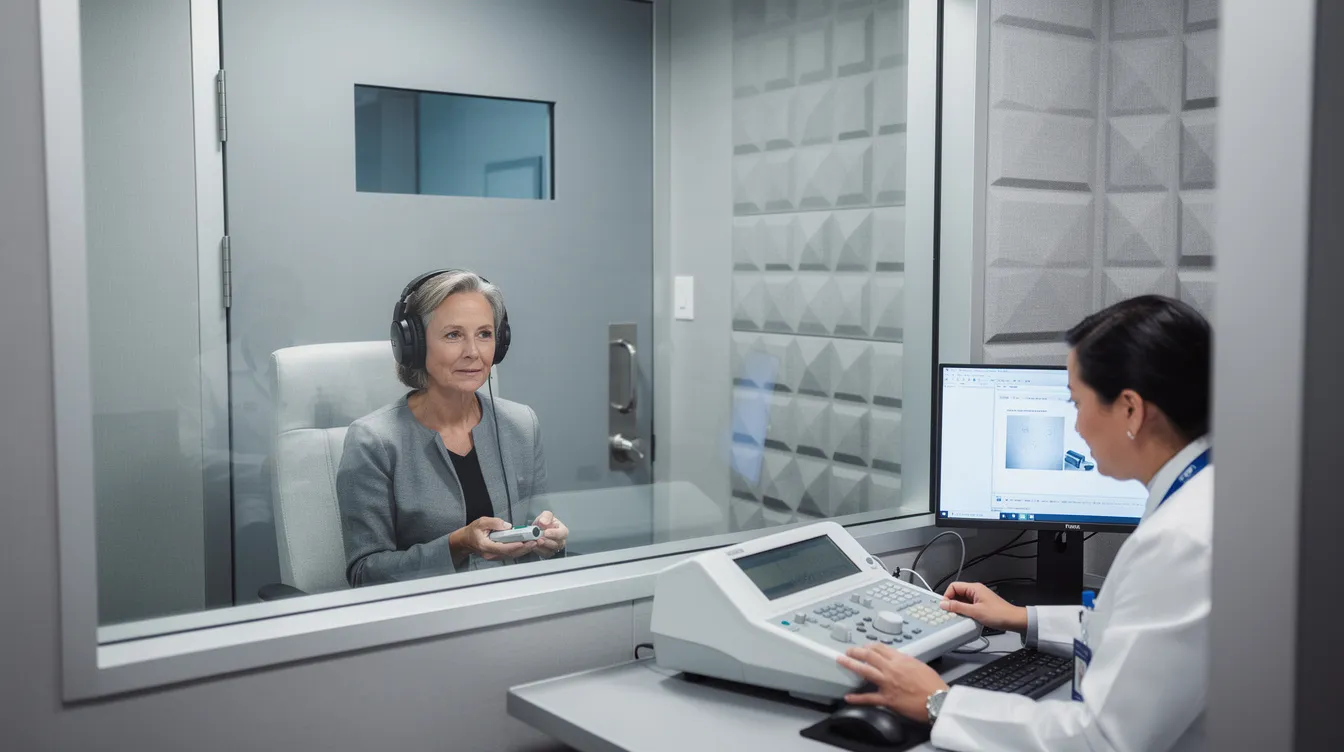
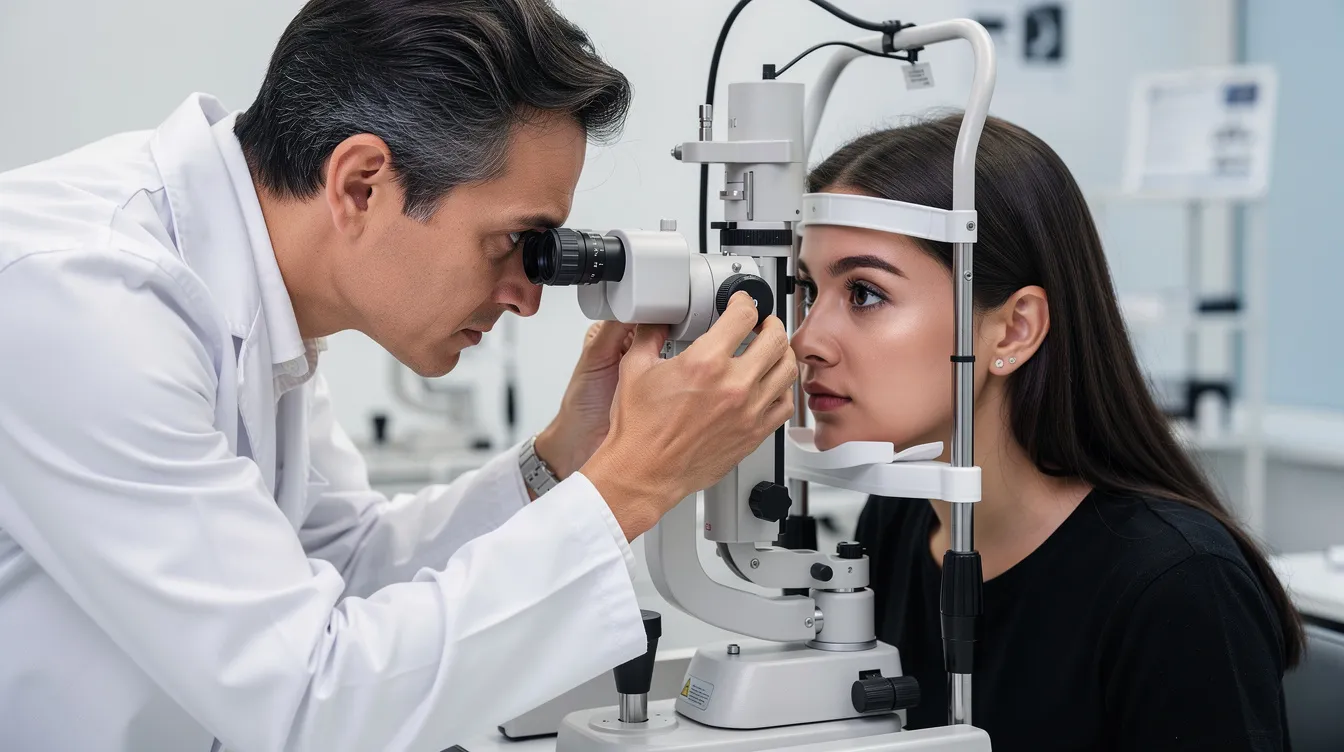
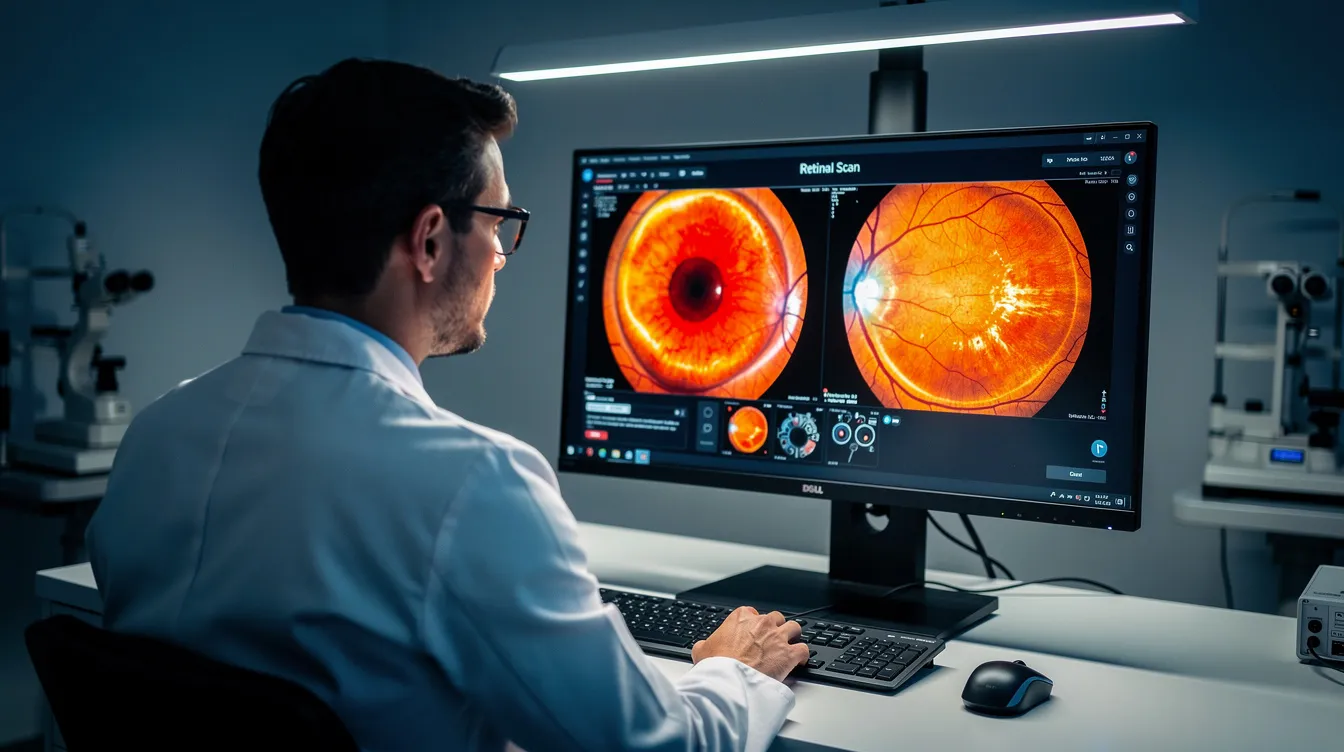
You must provide evidence of eye exams for SSDI. Common tests that appear in Social Security files include:
-
Best-corrected central visual acuity tests(Snellen chart measurements like 20/200)
-
Visual field testing(Goldmann perimeter or automated perimetry)
-
Retinal imaging or optic nerve imaging when applicable
-
Diagnostic reports explaining the cause of vision loss
Social Security prefers measurements from recent exams by licensed ophthalmologists or optometrists. Applicants must provide evidence of visual acuity tests, and outdated or incomplete testing can delay or undermine a claim. Medical tests should reflect your current condition, not results from years ago.
When vision loss stems from systemic conditions such as diabetes, glaucoma, macular degeneration, or retinal detachment, SSA typically wants not only eye exam results but also treatment notes from primary care doctors, endocrinologists, or specialists. Coenen Law Firm often works with clients' medical providers in Monroe, West Monroe, Ruston, and surrounding communities to obtain detailed statements explaining how visual limitations affect safety, speed, accuracy, and reliability at work.
Social Security's Five-Step Sequential Evaluation for Vision Loss
The Social Security Administration uses a standard five-step sequential evaluation process for all disability claims, including those based on vision loss, as described in federal regulations such as 20 C.F.R. § 404.1520.
Here's how each step applies in vision cases:
-
Substantial gainful activity (SGA): Are you currently working and earning above the SGA limit? If so, you generally won't qualify - though blind individuals have a higher SGA threshold.
-
Severity: Is your vision impairment "severe" - meaning it significantly limits your ability to do basic work activities?
-
Blue Book listing: Does your condition meet or equal a listed impairment in the Blue Book, such as statutory blindness? If your vision loss meets or equals a listing, you can be approved at this step.
-
Past work: Can you still do any of your previous work despite your vision problems? Social Security examines your residual functional capacity to determine this.
-
Other work: Considering your age, education, work experience, and remaining abilities, can you adjust to any other work in the national economy?
Many people with vision problems who don't meet legal blindness are approved at Steps 4 or 5, especially when their visual limitations are combined with other health problems. The process looks at practical limitations - difficulty reading ordinary print, frequent mistakes handling small parts, or unsafe operation of equipment or vehicles.
Coenen Law Firm prepares clients for this process by explaining what each step means, anticipating Social Security's questions, and developing evidence targeted to the issues that commonly lead to denials.
Special SSA Rules and Work Incentives for People Who Are Legally Blind
Social Security provides several special rules for people who meet its definition of legal blindness, and knowing about them can make a significant financial difference.
Higher SGA earnings limit: The SGA limit for 2026 is $1,690 per month for non-blind disabled individuals, but blind applicants have a higher SGA limit of $2,830 per month for 2026. For context, blind applicants could earn up to $2,460 monthly in 2024, and the SGA limit for non-blind SSDI applicants was $1,470 per month in 2024. These figures are updated annually.
Disability freeze: Blind applicants may qualify for a disability freeze under special rules. This means years with low or no earnings because of blindness can be excluded from benefit calculations, protecting future retirement benefits.
Blind Work Expenses (BWE): In SSI cases, blind SSDI recipients can deduct work-related expenses from income - costs such as guide dogs, transportation, assistive technology, screen readers, or specialized equipment. These deductions can increase the amount of SSI benefits a person receives. Assistive technology and adaptive equipment are available for training in independent living skills as well.
Trial Work Period: Blind individuals can test work ability for nine months without losing benefits, allowing them to explore employment without immediate risk to their disability income.
Tax-advantaged savings: Tax-advantaged savings accounts (ABLE accounts) allow individuals with disabilities to save money for qualified expenses without jeopardizing SSI eligibility.
Coenen Law Firm helps clients understand and use these special vision-related rules so they can receive benefits they are owed while exploring safe and realistic work options if appropriate.
When You May Be Eligible for Disability Benefits with Low Vision (Not Legally Blind)
Many people in Louisiana with serious vision problems do not meet the strict legal blindness criteria but may still qualify for SSDI or SSI if, considering all of their limitations, they cannot sustain full-time competitive employment.
Social Security looks at residual functional capacity for people with low vision - limitations on:
-
Reading speed and accuracy
-
Need for extra lighting or magnification
-
Inability to safely drive
-
Problems with depth perception and peripheral vision
-
Difficulty recognizing faces, signs, or hazards
Low vision might prevent someone from doing their past work in many ways. For example, a former commercial truck driver can no longer safely operate a vehicle. A plant worker can't inspect small parts. An office employee makes frequent errors on computer software. A construction worker can't safely climb ladders or work at heights.
Low vision can be especially disabling when combined with other impairments such as diabetes, neuropathy, balance problems, cognitive issues, or chronic pain. Social Security must consider the combined effect of all conditions when making a determination.
Coenen Law Firm evaluates both the medical records and the client's detailed work history to explain to Social Security how low vision translates into real-world work barriers - even where the person is not classified as legally blind.
How to Apply for Social Security Disability for Vision Loss in Louisiana
You can apply for Social Security disability online, by phone, or at a local Social Security office. However, errors or omissions in the initial application often lead to avoidable denials in vision loss cases.
Here is the key information you'll need for an SSDI or SSI vision claim:
-
A complete list of eye doctors and clinics (with addresses and dates of treatment)
-
Prescription changes over time
-
Results of eye exams and visual field tests
-
A detailed work history for the last 15 years
-
A description of daily activities affected by vision problems
You'll complete forms such as the Disability Report and Work History Report. It is important to describe in detail how your low vision or legal blindness interferes with work tasks, reading, driving, computer use, and household responsibilities. Eligibility for support programs varies based on the severity of vision loss and income, so being thorough matters.
Louisiana has programs offering assistance with rehabilitation and independent living services for the blind. Louisiana Rehabilitation Services operates programs specifically designed for individuals with severe visual impairments, and vocational rehabilitation assists individuals with visual impairments in securing employment. Blind services include job training, mobility training, and vocational guidance in Louisiana.
Coenen Law Firm helps clients in Monroe, West Monroe, Bastrop, Farmerville, and across north Louisiana prepare thorough applications, ensuring that key medical evidence and functional limitations are clearly presented from the start.
Considering applying? Contact Coenen Law Firm at (318) 322-7004 or send a message through the online contact page before filing, so you can avoid common mistakes and strengthen your claim from day one.
Basic Eligibility Requirements for SSDI and SSI with Vision Loss
To qualify for SSDI, a claimant must have worked and paid Social Security taxes long enough and recently enough (based on work credits), while also being unable to engage in substantial gainful activity because of a medically determinable impairment. SSDI requires proof that your condition lasts at least 12 months - vision loss must last at least 12 months for SSDI eligibility, or be expected to last that long, or result in death.
SSI does not require a work history but is limited to people with low income and limited resources, subject to strict financial eligibility rules set by federal law and administered by the Social Security Administration. Individuals receiving SSI are generally eligible for Louisiana Medicaid, which is an important consideration for people who need ongoing eye care.
The impairment must be documented by acceptable medical evidence, and Social Security will look at whether the visual impairment, alone or combined with other conditions, prevents past work and any other work under the five-step sequential evaluation. You can review your social security account online to check your work credits and insured status.
People who are legally blind can sometimes become entitled to benefits at younger ages, and some special calculation rules may protect their future retirement benefits through a disability freeze. Individuals with vision loss may qualify for Medicaid based on income and disability status, and Louisiana Medicaid covers eye exams and necessary treatments for eligible individuals.
Coenen Law Firm reviews each person's Social Security earnings record, insured status, and financial situation to determine whether SSDI, SSI, or both might be available.
Common Vision Conditions That May Support a Disability Claim
Social Security does not approve or deny claims based only on a diagnosis - the effect on vision and the ability to perform work is what matters. But certain eye conditions are frequently seen in successful claims.
Common causes of severe vision loss or low vision in Louisiana claimants include:
| Condition |
How It May Affect Work |
|---|---|
| Diabetic retinopathy |
Blurred or fluctuating central vision; difficulty with detailed tasks |
| Glaucoma |
Peripheral vision loss; problems detecting hazards or driving |
| Macular degeneration |
Central vision loss; reading and detailed work become extremely difficult |
| Cataracts (unresolved) |
Clouded vision even after surgery in some cases |
| Retinal detachment |
Sudden vision loss; distorted images |
| Optic neuropathy |
Reduced acuity and color vision; may worsen over time |
| Stroke-related vision loss |
Loss of part of the visual field on one or both sides |
| Traumatic eye injuries |
Variable, depending on extent of damage |
Systemic diseases like diabetes or multiple sclerosis can affect vision as well as other body systems. Coenen Law Firm works to ensure Social Security sees the complete picture of the claimant's overall health, not just the eye condition in isolation. According to the American Foundation for the Blind, approximately 173,757 Louisiana residents reported vision difficulty in recent years - a substantial number of people who may be eligible for support.
Even less common conditions may qualify if documented and severe. A free consultation with Ted Coenen can help determine whether a particular diagnosis and set of symptoms may support a Social Security disability application.
How Coenen Law Firm Helps with Vision Loss Disability Claims and Appeals
Coenen Law Firm focuses heavily on Social Security disability cases and serves clients with vision loss, low vision, and legal blindness across Monroe and north Louisiana, from initial applications through all stages of appeals.
In eye-related disability cases, the firm provides:
-
Obtaining complete ophthalmology and optometry records
-
Coordinating with treating eye doctors for clarifying statements
-
Preparing detailed function reports
-
Highlighting evidence that demonstrates reduced ability to perform past work and other jobs
-
Building a record that addresses specific criteria SSA uses to determine eligibility
Ted Coenen personally prepares clients for Social Security disability hearings, explaining what to expect from the administrative law judge, possible vocational expert testimony, and how to clearly describe day-to-day challenges caused by vision problems. The firm is familiar with local Social Security hearing offices used by residents of Ouachita, Union, Morehouse, Richland, Caldwell, Jackson, and Lincoln Parishes.
If your claim has been denied or you feel overwhelmed by the process, call Coenen Law Firm at (318) 322-7004 or contact the firm online for a free, no-obligation review of your vision-related disability claim.
Why Vision Loss Disability Claims Get Denied – and How to Strengthen Your Case
Many legitimate Social Security disability claims based on vision loss are denied at the initial level. Common reasons include:
-
Incomplete medical records or missing visual field test results
-
Not listing all treating eye doctors
-
Outdated eye exams that don't reflect current vision
-
Application forms that don't fully explain how vision problems limit work-related activities
-
Continuing to work above SGA levels while applying
You can appeal if your SSDI application is denied. The appeals process has strict deadlines and multiple levels - reconsideration, Administrative Law Judge hearing, Appeals Council review, and federal court. Missing a deadline can end a case entirely.
Coenen Law Firm addresses these issues by gathering missing records, requesting detailed supporting statements from eye specialists, correcting misunderstandings in Social Security's file, and developing testimony that accurately reflects day-to-day vision problems. Don't give up after a denial.
Reach out promptly to Coenen Law Firm at (318) 322-7004 so your appeal can be filed and your case strengthened before a judge reviews it.
Serving Monroe and Communities Across North Louisiana
Coenen Law Firm is based in Monroe, Louisiana, and is committed to helping people with vision-related disabilities throughout north and central Louisiana.
The firm frequently serves clients in:
-
Ouachita Parish(Monroe, West Monroe)
-
Union Parish(Farmerville)
-
Morehouse Parish(Bastrop)
-
Richland Parish(Rayville)
-
Caldwell Parish(Columbia)
-
Jackson Parish(Jonesboro)
-
Lincoln Parish(Ruston)
The firm can also assist applicants from other Louisiana locations. Although Social Security disability is a federal program, having a local lawyer who understands the regional economy, typical job histories, and local medical providers can make it easier to present a convincing case.
Adaptive tools are available for residents aged 55 and older with significant vision loss through state and federal programs. Consultations with Coenen Law Firm are available by phone, video, or in person - accessibility is especially important for clients living with significant vision loss or legal blindness.
Contact Coenen Law Firm through the online form or by calling (318) 322-7004 to discuss your options.

What to Expect After You File – Timelines, Hearings, and Backpay
The SSDI application process may take six to eight months at the initial level. If denied, it can take additional months - or more than a year - to receive a hearing before an Administrative Law Judge, depending on SSA backlogs.
The general progression of a case:
-
Initial application – filed online, by phone, or at a local Social Security office
-
Reconsideration – a second review of the evidence (where applicable)
-
ALJ hearing – an in-person or video hearing before a judge
-
Appeals Council – review of the ALJ's decision
-
Federal court – the final step if all administrative appeals are exhausted
Backpay in SSDI and SSI cases depends on the "onset date" of disability - the date Social Security determines your condition became disabling. A disability freeze can protect future retirement benefits, which is especially important in cases of early-onset legal blindness. The earlier you file, the more potential backpay you may be able to recover.
Coenen Law Firm keeps clients updated about the status of their case, prepares them for hearings, and explains how any award, ongoing benefits, and backpay will be calculated by Social Security. Don't delay seeking help - earlier involvement allows the firm to shape the record and protect deadlines.
Contact Coenen Law Firm About Vision Loss Disability Benefits in Louisiana
If you are experiencing significant vision loss, low vision, or legal blindness and can no longer work, Coenen Law Firm is here to help with Social Security disability benefits. You can receive a free, confidential consultation to learn about SSDI, SSI, special rules for blind individuals, and the best way to move forward with an application or appeal.
Attorney Theodore "Ted" Coenen personally handles Social Security disability matters, bringing decades of experience to each vision-related case. He understands the resources available, the medical evidence needed, and the important information that can make or break a claim.
Call (318) 322-7004 today to speak with the Monroe-based office about your situation. You can also reach out anytime through the firm's secure online contact form. Early legal guidance can make a real difference in the outcome of a vision loss disability claim.
Frequently Asked Questions About Vision Loss Disability Benefits in Louisiana
Do I have to be legally blind to qualify for Social Security disability benefits?
No. You do not have to meet Social Security's strict legal blindness standard to receive disability benefits. Many people with low vision or partial sight qualify if, considering all medical conditions, they cannot perform substantial gainful activity on a sustained basis. Meeting the legal blindness standard can unlock special rules - like a higher earnings limit - but other severe visual impairments can still be approved through the regular five-step sequential evaluation process. If you're unsure whether your level of vision loss may qualify, contact Coenen Law Firm for a personalized review of your medical records and work history.
Can I work part-time and still receive vision-related disability benefits?
Social Security focuses on both earnings and work activity. Limited part-time work may be allowed as long as earnings stay below the applicable SGA level and the work does not demonstrate an ability to perform full-time competitive employment. People who are legally blind have a higher SGA earnings limit ($2,830/month in 2026) than non-blind applicants ($1,690/month in 2026), and special work incentives may apply. Coenen Law Firm can help you understand how occasional or part-time work could affect eligibility and advise on reporting requirements to Social Security.
What if my eye doctor says my vision is bad, but Social Security still denied my claim?
Social Security makes its own decision based on the entire record. A doctor's opinion is important but must be supported by specific criteria - test results, treatment notes, and detailed descriptions of functional limitations. Coenen Law Firm often obtains additional records, clarifying statements from doctors, or more complete testing to address gaps or misunderstandings in the original file. If your vision-based claim has been denied, contact the firm quickly so appeal deadlines are not missed.
How long should I wait after my vision worsens before applying for disability?
You do not need to wait a full 12 months before applying. You should apply once it appears your vision loss is expected to prevent full-time work for at least a year, based on your doctors' opinions and the course of your eye condition. Starting earlier helps protect your filing date, possible backpay, and disability freeze rights. Anyone seeing a steady decrease in vision that interferes with work should contact Coenen Law Firm promptly to evaluate timing, medical evidence, and benefit options.
What does it cost to hire Coenen Law Firm for a Social Security disability case?
In most Social Security disability cases, attorney's fees are contingency-based and must comply with federal fee limits - typically a percentage of past-due benefits (backpay) approved by the SSA or a judge. This means clients generally do not pay fees unless they receive backpay. There is no charge for an initial consultation with Coenen Law Firm about a vision loss or legal blindness claim. Call (318) 322-7004 or reach out via the online contact form to discuss your case and learn how fees and costs would work in your specific situation.